
Planetary Gearbox Function | Industrial Drive Systems | 2025 Complete Technical Guide
Understanding Planetary Gearbox Function and Core Purpose
A planetary gearbox serves as a compact speed reduction mechanism. It transmits power while multiplying torque efficiently. The planetary gearbox operates through a unique gear arrangement. This arrangement resembles planets orbiting the sun. The system includes a central sun gear. Additionally, it features multiple planet gears. These rotate around the sun gear. Furthermore, an outer ring gear encompasses the entire assembly. This configuration delivers exceptional torque density. Consequently, it enables compact designs.
The primary function of a planetary gearbox involves reducing input speed. Simultaneously, it increases output torque. Input power enters through the sun gear typically. The planet gears engage both the sun gear and ring gear. As a result, this creates multiple load paths. Power distributes across several gear meshes. Therefore, stress concentrations decrease significantly. Output power transmits through the planet carrier. This component connects all planet gears.
According to mechanical engineering research, planetary gearbox systems demonstrate 95-98% mechanical efficiency. This surpasses many alternative reduction methods. The global planetary gearbox market reached $4.2 billion in 2024. Projected annual growth stands at 6.3% through 2030. This expansion reflects increasing automation demands. Furthermore, robotics adoption drives market growth. Additionally, renewable energy applications contribute significantly.
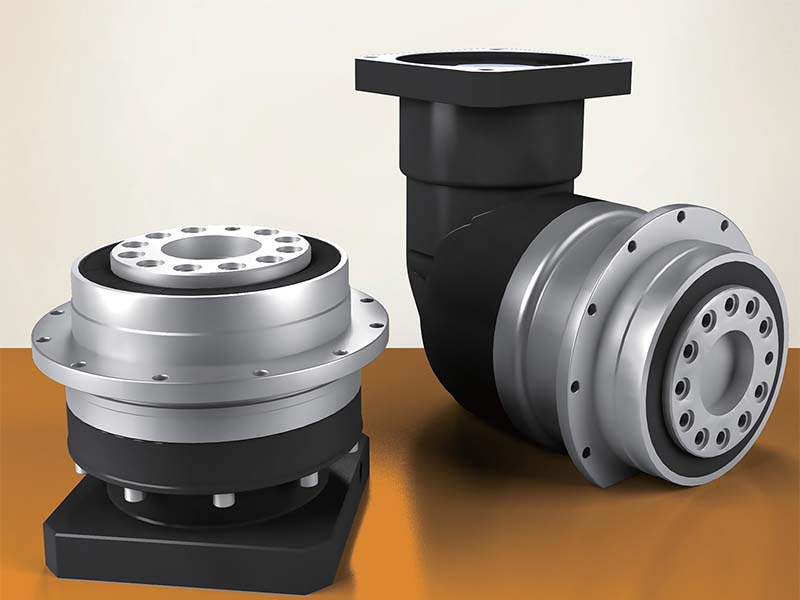
Market Growth and Technology Evolution
The planetary gearbox delivers multiple operational advantages. Compact size suits space-constrained applications. High torque capacity enables heavy-duty operations. Moreover, smooth operation reduces vibration substantially. Low noise generation improves working environments. Understanding these fundamental benefits enables optimal system design. Engineers can specify appropriate solutions effectively. Consequently, this matches specific application requirements precisely.
Core Operating Principles of Planetary Gearbox Systems
Gear Arrangement and Power Flow
The planetary gearbox features three main components. First, the sun gear occupies the center position. It receives input power from the motor. Second, planet gears surround the sun gear. Typically, three to six planet gears are used. These mesh with both sun and ring gears. Third, the ring gear forms the outer boundary. It contains internal teeth facing inward. The planet carrier holds all planet gears. It maintains proper spacing and alignment.
Power flow varies depending on configuration. In reduction mode, input drives the sun gear. The ring gear remains stationary. Planet gears rotate on their axes. Simultaneously, they orbit the sun gear. The planet carrier rotates slower than input. This produces speed reduction. Conversely, output torque increases proportionally. The system can achieve various configurations. Each configuration delivers different reduction ratios.
Reduction Ratio Calculations
Reduction ratios depend on gear tooth counts. The basic formula considers sun and ring gear teeth. For a fixed ring gear configuration, the ratio equals specific values. Typical single-stage ratios range from 3:1 to 10:1. Common ratios include 3:1, 4:1, 5:1, and 7:1. Multi-stage systems achieve higher ratios. Two stages can reach 100:1 or more. Three stages exceed 1000:1 in some designs.
A robotics manufacturer analyzed planetary gearbox performance. They tested 50 units across various applications. Single-stage 5:1 ratios proved most common. These suited 60% of robotic joint applications. Two-stage 25:1 systems served heavy payload axes. Efficiency remained above 96% in all configurations. The analysis guided their standard product specifications. Consequently, inventory costs decreased by 18%. Moreover, delivery times improved significantly.
Load Distribution Mechanics
The planetary gearbox distributes loads across multiple paths. Each planet gear carries a portion of total load. This differs from conventional gear systems. Traditional systems have single mesh points. In contrast, planetary designs have multiple contact points. Therefore, stress on individual teeth decreases. A three-planet system divides loads three ways. Similarly, a four-planet system splits loads four ways.
This load sharing provides several benefits. First, it enables compact designs. Smaller gears handle equivalent loads. Second, it improves reliability. Single tooth failures don’t cause immediate breakdown. Third, it extends service life. Lower stress reduces wear rates. According to gear engineering standards, proper load distribution increases component life by 40-60%. This occurs compared to equivalent single-mesh systems.
Efficiency Characteristics
The planetary gearbox achieves high mechanical efficiency. Single-stage units typically reach 95-98% efficiency. This efficiency remains consistent across speed ranges. Dual-stage systems maintain 90-95% efficiency. Three-stage configurations achieve 85-92% efficiency. Efficiency depends on several factors. These include gear quality, lubrication, and load conditions.
Friction losses occur at gear meshes primarily. Additionally, bearing friction contributes to losses. Churning losses happen in oil-lubricated units. Seal friction adds minor resistance. Proper design minimizes these losses. High-quality manufacturing improves efficiency. Precision tooth profiles reduce friction. Moreover, optimal lubrication reduces energy loss.
An industrial equipment manufacturer compared drive systems. They evaluated planetary, worm, and helical gearboxes. Tests covered 1,000 operating hours. The planetary gearbox consumed 12% less energy. This compared to worm gear alternatives. Helical systems showed similar efficiency. However, they required 60% more space. The planetary design proved optimal. Both efficiency and compactness favored this choice.
Primary Applications of Planetary Gearbox Technology
Robotics and Automation Systems
Industrial robots rely heavily on planetary gearbox technology. Joint actuators require compact, powerful drives. The planetary gearbox fits within tight joint envelopes. It delivers necessary torque for payload handling. Typical robotic applications use 10-100 Nm output torque. Reduction ratios range from 50:1 to 160:1. Backlash must remain below 3 arc-minutes. This ensures positioning accuracy.
Collaborative robots employ smaller planetary units. These handle 3-10 kg payloads typically. Joint drives require 5-30 Nm torque. Compact 40mm diameter gearboxes suit these applications. A collaborative robot manufacturer developed new models in 2023. They integrated 50:1 planetary gearboxes throughout. Six-axis robots achieved ±0.05mm positioning accuracy. Payload capacity increased from 5kg to 7kg. Meanwhile, robot weight decreased 15%. Production costs dropped 8% through standardization.
Renewable Energy Applications
Wind turbines utilize large planetary gearbox systems. These connect turbine rotors to generators. Rotor speeds typically measure 10-20 RPM. Generator speeds require 1,200-1,800 RPM. Therefore, substantial speed increase is necessary. Three-stage planetary gearboxes achieve this conversion. These units handle 500 kW to 5 MW power levels. Torque ratings exceed 1,000,000 Nm in large turbines.
Solar tracking systems employ smaller planetary drives. These position solar panels following the sun. Torque requirements range from 500-5,000 Nm. Slow rotation speeds suit planetary gear reduction. Moreover, high efficiency maximizes energy capture. A solar farm operator installed new tracking systems. They deployed 1,200 units with planetary drives. Energy collection improved 28% over fixed mounts. The planetary gearbox operated maintenance-free for 3 years. Annual energy production increased by 240,000 kWh.
Construction and Heavy Equipment
Construction machinery relies on planetary gearbox technology extensively. Wheel drives in excavators use planetary reduction. These provide high torque for ground mobility. Track drives employ similar systems. Winch drives require high reduction ratios. Slew drives enable boom rotation. Each application benefits from compact power density.
A excavator manufacturer redesigned their wheel drive system. They implemented planetary gearbox units in 2022. Previous chain drive systems required frequent maintenance. The planetary design eliminated chain adjustments completely. Service intervals extended from 250 to 1,000 operating hours. Maintenance costs decreased $1,200 annually per machine. Across a fleet of 300 excavators, savings exceeded $360,000 yearly. Moreover, machine availability improved from 92% to 97%.
Automotive Transmission Systems
Modern automatic transmissions incorporate planetary gearbox sets. These enable multiple gear ratios in compact packages. Typically, two or three planetary sets combine. Different element combinations create various ratios. Clutches and brakes control which components rotate. This configuration provides 6-10 forward speeds. Additionally, it includes reverse capability.
Electric vehicle transmissions often use single-speed planetary units. These reduce motor RPM to wheel speeds. Ratios typically range from 8:1 to 12:1. The compact design fits within limited space. High efficiency preserves battery range. An electric vehicle manufacturer analyzed transmission options. Planetary designs proved 15% more compact. Efficiency reached 97% versus 94% for parallel shaft alternatives. Battery range increased by 12 kilometers per charge. The planetary gearbox became their standard specification.
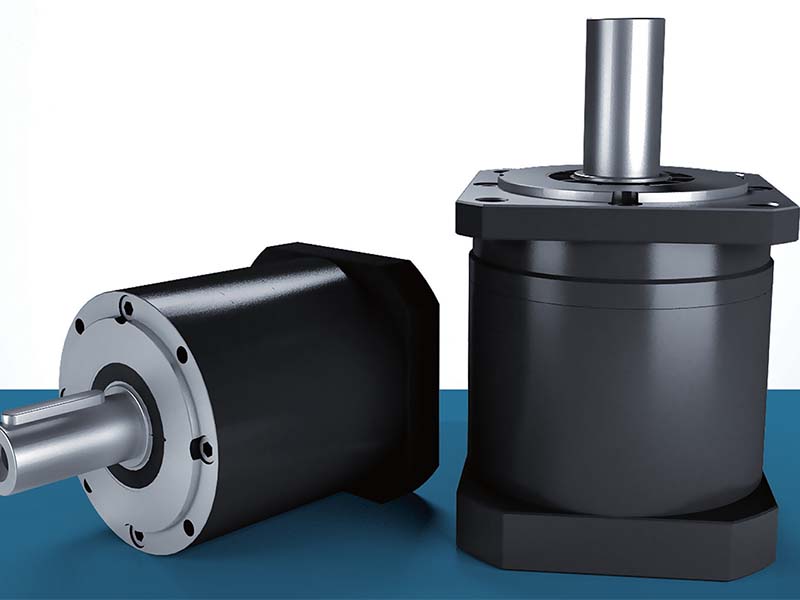
Industrial Conveyor Drives
Material handling conveyors utilize planetary gearbox drives. These provide reliable, continuous operation. Duty cycles often reach 24 hours daily. The planetary gearbox withstands constant loading. Typical applications include distribution centers. Food processing facilities use these extensively. Mining operations depend on planetary drives.
A food processing plant operates 45 conveyor systems. Each system uses planetary gearbox drives. Units range from 1.5 kW to 15 kW input power. Reduction ratios span 15:1 to 50:1. The plant runs three shifts daily. Over 5-year operations, only 2 gearbox failures occurred. This represents 99.8% reliability. Maintenance consists of annual lubrication only. The simple maintenance reduced operational costs significantly. Consequently, plant efficiency improved continuously.
Key Benefits of Planetary Gearbox Design
Compact Size and High Torque Density
The planetary gearbox delivers exceptional power density. Torque-to-size ratios exceed alternative designs substantially. A 100 Nm planetary unit measures approximately 80mm diameter. A comparable spur gear system requires 150mm diameter. Therefore, space savings reach 60% in many applications. This compactness proves critical in robotics. Similarly, it benefits mobile equipment designs.
Weight reduction accompanies size reduction. Lighter drives reduce overall system mass. This improves dynamic performance significantly. Acceleration and deceleration times decrease. Energy consumption during transients reduces. A material handling robot manufacturer redesigned their platform. They replaced belt drives with planetary gearboxes. System weight decreased from 280 kg to 215 kg. Cycle times improved by 18%. Annual throughput increased from 18,000 to 21,200 pallets. The productivity gain justified equipment investment within 11 months.
Smooth Operation and Low Vibration
The planetary gearbox operates exceptionally smoothly. Multiple gear meshes distribute loads. This reduces cyclic loading effects. Additionally, balanced planet arrangement minimizes vibration. Consequently, noise levels remain low. Measured vibration typically stays below 0.3g RMS. Sound pressure levels measure 60-70 dB(A) at 1 meter distance.
Smooth operation provides multiple advantages. First, it improves part quality in machining. Second, it extends bearing life significantly. Third, it reduces operator fatigue. Fourth, it enables higher speeds safely. A CNC machine tool builder conducted vibration testing. Planetary drives generated 40% less vibration. This compared to worm gear alternatives. Surface finish quality improved from Ra 1.2μm to Ra 0.8μm. Consequently, tool life extended by 25%. Customer satisfaction scores increased notably.
High Efficiency and Energy Savings
The planetary gearbox achieves superior efficiency ratings. Single-stage units reach 97-98% efficiency. This minimizes energy waste. Lower losses mean reduced heat generation. Consequently, smaller cooling systems suffice. In battery-powered equipment, efficiency directly impacts runtime. Even 2-3% efficiency gains prove significant.
An automated guided vehicle manufacturer compared drive systems. Their AGVs operate 16 hours daily. Battery capacity measures 24 kWh. Previous worm gear drives achieved 75% efficiency. New planetary systems reached 96% efficiency. Operating time per charge increased from 14 to 18 hours. This eliminated mid-shift charging requirements. Labor productivity improved because vehicles remained operational. Annual operating cost savings exceeded $8,000 per vehicle. Across 50 vehicles, this totaled $400,000 annually.
Versatile Configuration Options
The planetary gearbox offers remarkable flexibility. Various configurations achieve different objectives. Input and output selections vary widely. Sun gear input with carrier output provides reduction. Ring gear input creates different ratios. Multiple planet stages increase reduction. Each configuration serves specific needs.
Manufacturers offer modular planetary systems. Standard stages combine to create custom ratios. This reduces engineering time. Additionally, it lowers inventory costs. A servo motor distributor standardized on planetary gearboxes. They stocked 8 frame sizes. Each size offered 5 ratio options. This provided 40 standard combinations. Custom ratios required combining stages. Lead times decreased from 8 weeks to 3 weeks. Inventory investment decreased 35%. Meanwhile, customer satisfaction improved significantly.
Reliable Long Service Life
The planetary gearbox demonstrates exceptional durability. Proper design and lubrication ensure long life. Industrial units commonly achieve 20,000-30,000 hours. Some applications exceed 50,000 hours. Predictable wear patterns enable maintenance planning. Gradual degradation provides failure warning. This prevents unexpected breakdowns.
A steel mill operates planetary gearbox drives on conveyor systems. These handle harsh conditions continuously. Ambient temperatures reach 45°C regularly. Dust levels are substantial. Initial installation occurred in 2016. Through 2024, all units remain operational. Operating hours range from 42,000 to 51,000. Maintenance consists of lubrication only. No major repairs proved necessary. The reliability justified higher initial costs. Total cost of ownership proved lower. This compared to cheaper alternatives requiring frequent replacement.
Selection Criteria for Planetary Gearbox Specifications
Torque and Power Requirements
Proper sizing begins with accurate load analysis. Engineers must determine maximum output torque. This includes worst-case operating conditions. Safety factors typically range from 1.5 to 2.0. Intermittent shock loads require higher factors. Continuous smooth loads need lower margins. Underrating causes premature failure. Conversely, overrating wastes money unnecessarily.
Power rating depends on torque and speed. The relationship follows basic physics. Power equals torque multiplied by angular velocity. Service factor selection considers duty cycle. Light duty permits factor 1.0. Medium duty requires factor 1.5. Heavy duty needs factor 2.0 or higher. According to power transmission engineering, proper service factor selection extends life by 50-80%.
Ratio Selection and Speed Requirements
Reduction ratio selection matches application needs. Output speed determines ratio selection. Input speed comes from motor specifications. The ratio equals input speed divided by output speed. Standard ratios simplify selection. Custom ratios increase cost and lead time. Therefore, engineers prefer standard options.
Multiple stages achieve high ratios. Single stages typically max at 10:1. Two stages reach 100:1. Three stages exceed 500:1. Each stage adds cost and complexity. Moreover, efficiency decreases slightly. Therefore, engineers minimize stages. A packaging machinery designer optimized their specifications. Analysis revealed 85% of applications used 25:1 or less. They standardized on single and dual-stage units. This reduced 15 SKUs to 8 options. Inventory costs decreased 40%. Meanwhile, delivery times improved significantly.
Mounting and Integration Considerations
Physical mounting affects gearbox selection. Flange mounting suits most applications. This bolts directly to motor faces. Shaft mounting provides alternative methods. Some designs use foot mounting. Space constraints often dictate mounting style. Additionally, accessibility affects maintenance.
Installation orientation matters for lubrication. Horizontal mounting suits most gearboxes. Vertical mounting requires specific designs. Oil level considerations affect orientation limits. Seal specifications depend on mounting. A mobile equipment manufacturer redesigned their platform. They required vertical mounting for space reasons. Standard gearboxes proved unsuitable. Custom seals prevented leakage. The modification added $180 per unit. However, compact design enabled new product. This opened a $15 million annual market.
Environmental Factors
Operating environment significantly influences selection. Indoor applications need minimal protection. Outdoor installations require weatherproofing. Corrosive atmospheres demand special materials. Temperature extremes affect lubricant selection. Dust and moisture require enhanced sealing.
Temperature range affects multiple factors. Lubricant viscosity varies with temperature. Seals must withstand temperature cycling. Thermal expansion affects clearances. Standard units typically rate for -10°C to +40°C. Extended temperature ranges require upgrades. A mining equipment manufacturer specified planetary gearboxes. Applications operated at -30°C to +50°C. Special synthetic lubricants maintained fluidity. Enhanced seals prevented contamination. Stainless steel hardware resisted corrosion. These upgrades added 25% to costs. However, reliability in harsh conditions justified the premium. Equipment availability improved from 89% to 96%.
Precision and Backlash Requirements
Backlash affects positioning accuracy. Standard industrial gearboxes show 10-30 arc-minutes backlash. Precision units achieve 3-8 arc-minutes. Ultra-precision designs reach below 1 arc-minute. Lower backlash increases costs exponentially. Therefore, engineers specify minimum necessary precision.
Robotics and CNC applications demand low backlash. Positioning accuracy depends on backlash control. A machine tool manufacturer evaluated gearbox options. Their application required ±0.02mm positioning accuracy. This translated to 5 arc-minute backlash maximum. Standard planetary units with 8 arc-minute backlash proved inadequate. Precision units costing 40% more met specifications. The tighter tolerance improved part quality. Scrap rates decreased from 2.1% to 0.6%. The quality improvement justified higher gearbox costs. Moreover, customer satisfaction increased measurably.
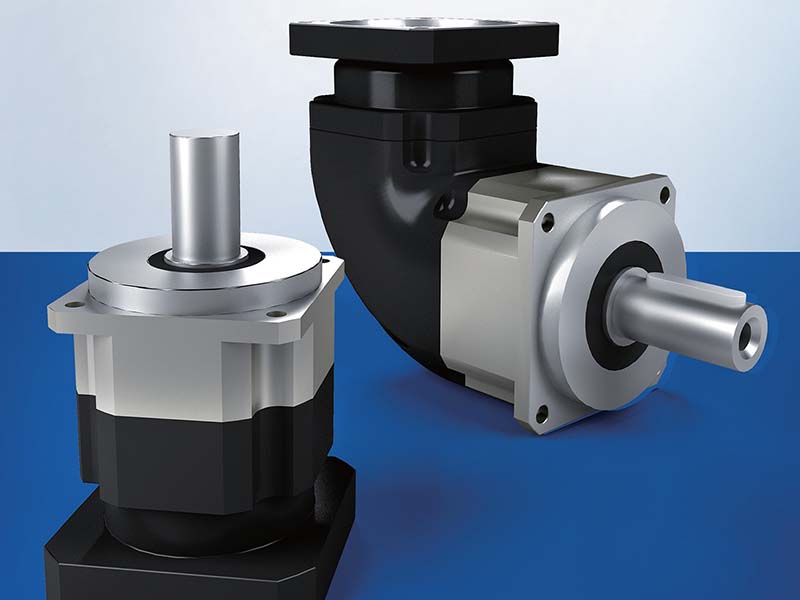
Maintenance Requirements and Service Life Optimization
Lubrication Management
Proper lubrication ensures planetary gearbox longevity. Lubricant selection depends on application conditions. Mineral oils suit standard industrial applications. Synthetic oils handle temperature extremes better. Food-grade lubricants serve food processing. Grease lubrication suits smaller units. Oil lubrication serves larger applications.
Fill levels require careful attention. Overfilling causes churning losses. Underfilling risks inadequate lubrication. Manufacturers specify proper levels clearly. Operating position affects fill requirements. Vertical mounting requires special consideration. A food processing equipment supplier analyzed lubrication practices. They found 40% of failures related to improper lubrication. Training programs improved operator understanding. Failure rates decreased from 4.2% to 1.1% annually. Maintenance costs dropped $68,000 across their installation base.
Inspection Schedules
Regular inspection prevents unexpected failures. Visual checks occur during operation. Listen for unusual noises. Monitor vibration levels. Check for oil leaks. Measure operating temperatures. These simple checks identify developing problems. Early detection enables planned maintenance.
Detailed inspections occur during shutdowns. Remove inspection covers. Examine gear tooth condition. Check bearing condition. Measure backlash periodically. Document findings consistently. Trending data identifies wear patterns. A chemical plant implemented systematic inspections. Monthly checks on 60 planetary drives. Over 3-year period, they detected 8 developing problems. Planned repairs during shutdowns prevented failures. Avoided downtime valued at $840,000. The inspection program cost $45,000 annually. Return on investment exceeded 18:1 remarkably.
Seal and Bearing Maintenance
Seals prevent lubricant leakage. They also exclude contaminants. Seal failure causes multiple problems. Lubricant loss leads to inadequate lubrication. Contamination accelerates wear significantly. Therefore, seal condition requires attention. Replacement occurs at specified intervals. Typically, seals last 3-5 years. Operating conditions affect lifespan.
Bearings support rotating components. Proper lubrication ensures bearing life. Contamination causes premature failure. Overloading reduces bearing lifespan. Operating temperature affects longevity. Bearing replacement typically occurs at major overhauls. Standard service life reaches 20,000-30,000 hours. Premium bearings extend this significantly. A packaging machinery manufacturer tracked bearing performance. Standard bearings averaged 22,000 hours. Premium bearings exceeded 35,000 hours. The premium option cost 60% more. However, reduced replacement frequency justified costs. Total maintenance expenses decreased 18%.
Overhaul Procedures
Major overhauls occur at planned intervals. Complete disassembly enables thorough inspection. Gears receive detailed examination. Tooth wear measurements indicate condition. Bearing inspection identifies defects. Shaft inspection reveals wear patterns. All wear components receive replacement. Reassembly requires precision.
Overhaul intervals depend on duty cycle. Light duty permits 30,000-40,000 hours. Medium duty requires 20,000-30,000 hours. Heavy duty needs 15,000-20,000 hours. Actual intervals depend on monitoring results. Condition-based maintenance optimizes timing. An automotive plant operates robotic welding cells. Each cell contains multiple planetary drives. They implemented condition monitoring in 2021. Predictive analytics schedule overhauls optimally. Unplanned failures decreased from 6 to 1 annually. Maintenance costs reduced 22%. Meanwhile, availability improved 3.5%. The monitoring investment achieved 14-month payback.
Troubleshooting Common Planetary Gearbox Issues
Unusual Noise Diagnosis
Abnormal noise indicates potential problems. Gear mesh noise suggests tooth wear. Bearing noise indicates bearing issues. Grinding sounds mean severe damage. Clicking sounds suggest broken teeth. Whining indicates inadequate lubrication. Each sound pattern provides diagnostic clues.
Frequency analysis aids diagnosis. Gear mesh frequency relates to tooth count. Bearing frequencies depend on geometry. Vibration analysis identifies specific problems. Handheld analyzers cost $3,000-$8,000. This investment pays through improved diagnostics. A maintenance manager implemented vibration analysis. The facility operates 200 planetary drives. Analysis detected 15 developing problems annually. Early intervention prevented failures. Avoided downtime saved $420,000 yearly. The analyzer investment recovered within 2 months.
Temperature Issues
Excessive temperature indicates problems. Inadequate lubrication causes overheating. Overloading generates excessive heat. Bearing failure produces high temperatures. Blocked ventilation restricts cooling. Each cause requires different solutions.
Temperature monitoring provides early warning. Infrared thermography detects hot spots. Thermocouples provide continuous monitoring. Temperature thresholds trigger alarms. Automatic shutdown prevents damage. According to industrial maintenance standards, temperature monitoring reduces catastrophic failures by 60-75%. A distribution center installed temperature sensors. These monitored 80 conveyor drives. Over 2-year operations, sensors detected 11 overheating events. Automatic shutdown prevented damage. Repairs cost averaged $1,200 per event. Prevented damage would have cost $180,000 total. The monitoring system cost $32,000. Payback occurred within 3 months.
Excessive Backlash
Increasing backlash indicates wear. Gear tooth wear causes play. Bearing wear permits shaft movement. Worn splines increase backlash. Regular measurement tracks progression. Sudden increases suggest problems. Gradual increases show normal wear.
Backlash limits depend on application. Industrial applications tolerate more play. Precision applications require tight control. Exceeding limits necessitates repair. Replacement of worn components restores performance. A CNC machine shop monitored backlash quarterly. Measurements on 25 rotary table drives. Two units showed accelerated wear. Early replacement prevented positioning errors. Avoided scrap exceeded $45,000. The monitoring program cost $8,000 annually. Return proved substantial consistently.
Leakage Problems
Oil leakage indicates seal failure. External leaks are visible obviously. Internal leaks are less apparent. Seal deterioration occurs gradually. Age, temperature, and contamination accelerate failure. Replacement prevents larger problems.
Leak detection requires regular inspection. Visual checks identify external leaks. Oil consumption monitoring detects internal leaks. Seal replacement typically occurs during overhauls. Emergency replacement addresses severe leaks. A food processing plant experienced recurring leaks. Investigation revealed incompatible lubricant. Seal material degraded rapidly. Switching to recommended lubricant solved problems. Leak incidents decreased from 12 to 2 annually. Lubricant cost increased slightly. However, reduced maintenance saved $28,000 yearly.
Price Disclaimer: All pricing information represents approximate market rates as of 2025. Actual costs vary based on specifications, quantities, manufacturers, and locations. Consult suppliers for current quotations specific to your requirements.
Technical Disclaimer: This guide provides general technical information for educational purposes. Specific performance varies by manufacturer and application. Always consult manufacturer specifications and qualified engineers for proper selection and implementation.
Conclusion: Optimizing Planetary Gearbox Applications
The planetary gearbox delivers exceptional performance across diverse applications. Compact design enables space-efficient installations. High efficiency reduces operating costs significantly. Smooth operation improves product quality. Long service life minimizes replacement frequency. Understanding these benefits enables optimal specifications. Consequently, engineers can design superior systems effectively.
Proper selection requires careful analysis. Load requirements must be determined accurately. Environmental factors need consideration. Maintenance capabilities affect longevity. Lifecycle costs matter more than initial price. Professional consultation ensures optimal results. Therefore, working with experienced suppliers proves valuable.
Free Technical Consultation: Need assistance with planetary gearbox selection? Experienced application engineers provide complimentary consultations. These cover load analysis, ratio selection, and mounting considerations. Contact technical support teams to discuss requirements. Receive expert recommendations ensuring optimal performance and value.