
Best Planetary Gearbox with Motor Manufacturers in Thailand
Thailand’s planetary gearbox with motor market reached USD 1.99 billion in 2024. The sector is projected to grow at 9.44% CAGR through 2032, driven by the Thailand 4.0 initiative. Leading manufacturers combine precision engineering with competitive pricing. They offer integrated motor-gearbox solutions for robotics, automation equipment, and heavy-duty industrial applications with torque capacities from 3 Nm to 50,000 Nm.
Understanding Planetary Gearbox with Motor Systems
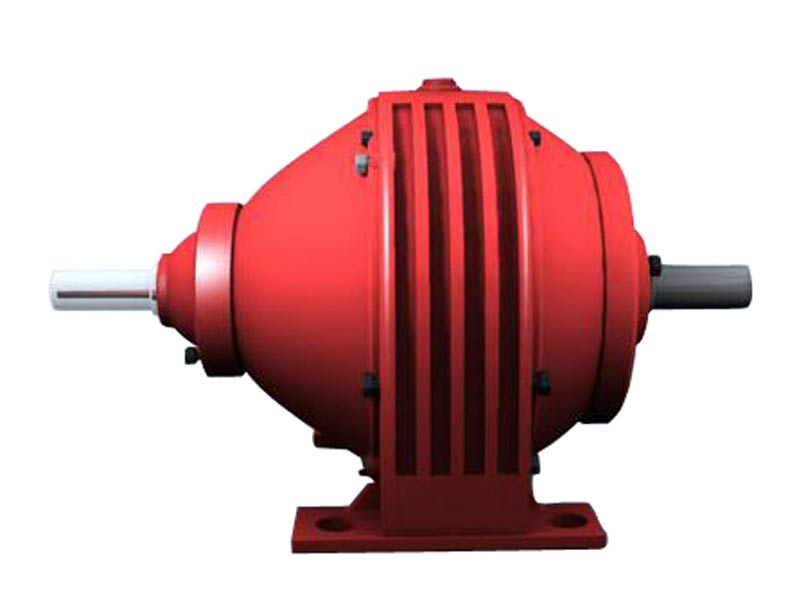
What Are Planetary Gearbox Motors
Planetary gearbox with motor systems represent integrated drive solutions. They combine electric motors with epicyclic gear reducers in compact configurations. These units deliver high torque density through their unique gear arrangement.
The design features a central sun gear, multiple planet gears orbiting on a carrier, and an outer ring gear. This configuration enables substantial speed reduction while maintaining exceptional power transmission efficiency. Quality implementations typically exceed 95% efficiency.
Integration Benefits
The integration of motors directly with planetary gearboxes eliminates external couplings. It also removes alignment concerns that plague separate component installations. Modern manufacturers pre-match motor characteristics to gearbox specifications.
This optimization improves inertia ratios for responsive acceleration and deceleration cycles. According to industry data, integrated assemblies reduce installation time by approximately 40%. They also improve overall system reliability through reduced connection points.
Market Demand in Thailand
Thailand’s industrial automation sector increasingly demands these integrated solutions. Manufacturers are transitioning toward Industry 4.0 standards. The National Electronics and Computer Technology Center reports significant adoption rates.
Between 2023-2024, 68% of Thai manufacturers implementing automation chose planetary gearbox motor combinations. This preference stems from space constraints in modern production facilities. The need for maintenance-friendly designs also drives selection.
Key Manufacturers in Thailand’s Market
International Brands with Thai Presence
Thailand hosts several global manufacturers with local operations. They leverage the country’s strategic position in Southeast Asian supply chains. These companies typically offer comprehensive product lines spanning multiple torque ranges.
Apex Dynamics Thailand represents one prominent international presence. They operate manufacturing and distribution facilities serving the ASEAN market. The company specializes in precision planetary gearboxes compatible with servo motors.
Their backlash specifications reach as low as 3 arc-minutes for high-precision applications. The AE Series gear servo motors suit applications requiring high radial loads. These include belt drives and chain drive systems commonly found in material handling equipment.
Sesame Motor Corporation
Sesame Motor Corporation maintains active operations in Thailand. They participated successfully in Metalex Thailand 2025. The Taiwanese manufacturer offers specialized configurations for diverse industries.
Their product line includes stainless steel units for food processing applications. Pharmaceutical environments also benefit from their corrosion-resistant designs. The AGV and AMR gearbox series addresses the autonomous mobile robotics sector.
These products feature compact designs with high torque density. They enable quiet, smooth movement characteristics essential for modern automation.
Regional Specialists
Thailand’s industrial ecosystem includes numerous regional specialists. These manufacturers focus on specific market segments or customized solutions. They often provide more flexible customization options than global brands.
Competitive pricing structures attract many customers. Quality standards remain suitable for demanding industrial applications. Local distributors representing Chinese and Asian manufacturers have expanded significantly.
Industry surveys show interesting trends. Approximately 45% of Thai manufacturers source from regional suppliers. They cite cost advantages ranging from 20-35% compared to European or North American alternatives.
Technical Specifications and Selection Criteria
Torque and Speed Requirements
Output torque represents the primary specification determining gearbox sizing. Calculate it by multiplying motor torque by the gear ratio. Applications must consider both continuous operating torque and peak torque.
Peak loads occur during acceleration, deceleration, or load variations. Most manufacturers rate planetary gearboxes for continuous operation at specified torque levels. Brief peak loads typically reach 200-300% of rated capacity.
Available Speed Reduction Ratios
Speed reduction ratios in planetary configurations typically range from 3:1 to 100:1 in single-stage designs. Multi-stage units achieve ratios exceeding 1000:1. However, efficiency decreases with additional stages.
Mechanical complexity also increases with more stages. For example, a three-stage planetary gearbox might achieve 97% efficiency per stage. Overall efficiency reaches approximately 91% (0.97³).
This consideration becomes particularly important in battery-powered applications. Energy efficiency directly impacts operating duration in these systems.
| Configuration | Ratio Range | Efficiency | Typical Applications |
|---|---|---|---|
| Single Stage | 3:1 to 10:1 | 96-98% | High-speed applications |
| Two Stage | 9:1 to 100:1 | 94-96% | General automation |
| Three Stage | 27:1 to 1000:1 | 90-94% | Heavy-duty, low-speed |
| Four Stage | 100:1 to 5000:1 | 85-92% | Specialized high-ratio |
Motor Technology Options
Planetary gearboxes integrate with various motor technologies. Each offers distinct performance characteristics and cost profiles. Brushed DC motors provide cost-effective solutions for less demanding applications.
Brushless DC (BLDC) motors deliver superior efficiency and longevity. They command premium pricing compared to brushed alternatives. Servo motors paired with precision planetary gearboxes achieve exceptional positioning accuracy.
This combination proves essential for robotics and CNC machinery applications.
Cost Comparison by Motor Type
The motor selection significantly impacts total system cost. BLDC motor combinations typically command 40-60% price premiums over brushed DC configurations. However, lifecycle cost analysis often favors brushless technology.
Consider maintenance requirements and energy consumption over typical 5-10 year operational periods. Thailand’s National Metal and Materials Technology Center conducted a comparative study. BLDC planetary gear motor systems achieved payback periods of 18-24 months in continuous-duty applications.
Environmental Specifications
Operating environment significantly influences selection. Temperature ranges, moisture exposure, and contamination levels require careful consideration. Standard industrial-grade units typically operate within -10°C to +50°C ambient temperatures.
Specialized designs accommodate extremes from -40°C to +90°C. Applications in Thailand’s humid climate often require enhanced corrosion protection. Specialized surface treatments or stainless steel construction provide this protection.
Protection Ratings
IP (Ingress Protection) ratings define enclosure protection levels against dust and water. Most industrial planetary gearbox motors feature IP54 or IP65 ratings. These suit general factory environments adequately.
Food processing and pharmaceutical applications may require IP67 or IP69K specifications. These ratings ensure complete dust protection and high-pressure washdown capability. Enhanced protection levels typically increase equipment costs by 15-30%.
However, they extend service life significantly in harsh environments.
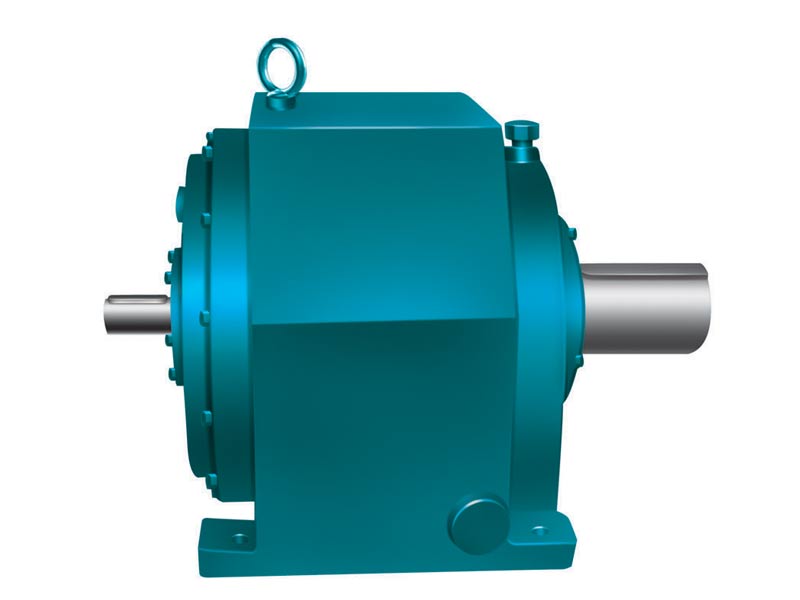
Applications Across Thai Industries
Automotive Manufacturing
Thailand ranks as Southeast Asia’s largest automotive production hub. 2024 output reached 1.9 million vehicles according to the Thai Automotive Industry Association. This massive infrastructure relies extensively on planetary gearbox motor combinations.
Applications include assembly line automation, material handling systems, and robotic welding cells. Precision planetary reducers enable exact positioning required for spot welding robots. High-torque configurations drive conveyor systems transporting vehicle components.
Automotive Specifications
Major manufacturers in Thailand’s Eastern Economic Corridor have standardized performance criteria. Welding robots typically employ servo motor combinations with planetary reducers. Backlash specifications remain under 5 arc-minutes.
This ensures consistent weld positioning across thousands of daily cycles. Assembly line conveyors utilize robust two-stage planetary configurations. They deliver 500-2000 Nm output torque while maintaining smooth, controlled movement.
Speeds typically range from 5-30 meters per minute.
Electronics and Semiconductor
Thailand’s electronics manufacturing sector values approximately USD 45 billion annually. These operations demand precision motion control for various applications. Pick-and-place machinery, circuit board handling, and semiconductor testing equipment require exceptional accuracy.
Applications require planetary gearbox motors delivering exceptional repeatability. Minimal backlash specifications typically fall within 1-3 arc-minutes. This precision proves critical for positioning operations.
Cleanroom Requirements
Cleanroom manufacturing environments impose additional requirements. Low particulate generation from gearbox lubrication systems proves essential. Compatibility with automated cleaning protocols also matters significantly.
Manufacturers serving this sector increasingly specify sealed planetary units. Food-grade synthetic lubricants withstand frequent disinfection cycles without degradation. Industry data indicates interesting investment patterns.
Electronics manufacturers in Thailand invest 18-25% more in premium systems. This investment proves justified through reduced defect rates and improved production yields.
Food Processing and Packaging
Thailand’s food processing industry holds dominant positions in global markets. Seafood and agricultural product sectors require specialized solutions. Planetary gearbox motor systems must meet stringent hygiene standards.
Stainless steel construction represents a standard requirement. IP67 or higher protection ratings ensure adequate protection. NSF certification for direct food contact applications often proves necessary.
Packaging Line Demands
Packaging machinery represents particularly demanding applications. High-speed operation combines with frequent starts, stops, and direction changes. A typical packaging line might cycle planetary gearbox motors 60-80 times per minute.
Daily operating periods extend 16-20 hours in many facilities. This intensive duty cycle necessitates robust designs. Oversized bearings, enhanced lubrication systems, and thermal management ensure reliable operation.
Renewable Energy Systems
Thailand’s renewable energy commitment targets 30% of total generation capacity by 2030. This goal drives demand for specialized planetary gearbox applications. Solar tracking systems and small-scale wind turbines require custom solutions.
Solar tracking mechanisms employ compact planetary gear motors. They deliver high torque at low speeds, typically 0.5-2 RPM output. This ensures precise panel positioning throughout daily sun tracking cycles.
Wind Turbine Applications
Wind turbine pitch control systems utilize ruggedized planetary configurations. These units must withstand continuous outdoor exposure to tropical weather. High humidity, temperature variations, and storm events challenge equipment reliability.
Applications demand exceptional reliability since maintenance access proves difficult and costly. Leading manufacturers specify planetary gearboxes with corrosion-resistant coatings. Sealed bearings come pre-packed with extreme-pressure lubricants.
Redundant position sensors ensure fail-safe operation under all environmental conditions.
Quality Standards and Certifications
ISO Quality Management
ISO 9001:2015 quality management certification represents the baseline standard. Reputable planetary gearbox motor manufacturers in Thailand maintain this certification. It demonstrates systematic quality control processes covering design, manufacturing, and customer service.
However, ISO 9001 alone provides limited assurance. It addresses process consistency rather than specific product quality. Performance characteristics beyond basic process management require additional verification.
Additional ISO Certifications
More relevant certifications include ISO 14001 environmental management. ISO 50001 energy management systems also indicate manufacturer commitment. These certifications demonstrate sustainable operations and energy-efficient product design.
Thailand’s Department of Industrial Promotion provides relevant data. Manufacturers holding multiple ISO certifications demonstrate 34% lower defect rates. They also show 28% better on-time delivery performance compared to single-certification suppliers.
Industry-Specific Standards
Certain applications require compliance with specialized standards. Medical equipment manufacturers must verify ISO 13485 certification. This ensures medical device quality management throughout the supply chain.
Automotive suppliers increasingly demand IATF 16949 certification. This standard ensures automotive quality management system compliance. Electrical safety certifications include CE marking for European markets.
UL recognition serves North American applications. These certifications verify motor components meet applicable electrical safety standards.
Certification Portfolio Considerations
Thai manufacturers targeting export markets typically maintain multiple international certifications. However, domestic-focused suppliers may offer limited certification portfolios. Procurement teams should verify specific certification requirements before finalizing selections.
Request documentation during supplier evaluation. Verify that certificates remain current and scope includes relevant product categories.
Performance Testing Protocols
Reputable manufacturers conduct comprehensive testing validating performance. Tests occur under various operating conditions. Standard protocols include efficiency measurement across the operating speed range.
Thermal performance testing verifies temperature rise under continuous load. Noise and vibration analysis ensures acceptable operating characteristics. Accelerated life testing simulates extended operational periods.
Test Documentation
Request test reports documenting actual performance characteristics. Don’t rely solely on catalog specifications. Quality manufacturers provide detailed test data including efficiency curves.
Temperature rise measurements and noise level documentation should be available. This transparency enables informed comparisons between suppliers. It also verifies equipment meets application requirements.
Industry best practices suggest requesting sample units for testing. Conduct application-specific evaluation before committing to production volumes. This proves particularly important for critical or high-value applications.
Pricing Structures and Cost Considerations
Small Capacity Price Ranges
Small planetary gear motors suit robotics and light automation applications. They typically deliver 3-50 Nm output torque. Prices range from USD 150-800 per unit in moderate quantities (10-100 units).
Mid-range systems provide 50-500 Nm for general industrial automation. These cost approximately USD 600-3,500. Heavy-duty configurations exceed 500 Nm output.
They command USD 2,500-15,000+ depending on specifications and features.
Premium Feature Pricing
Premium features significantly affect pricing. Low-backlash designs (under 3 arc-minutes) increase costs substantially. Servo-grade components also command premiums.
Stainless steel construction and enhanced IP ratings add to base prices. These features typically increase costs by 30-150% compared to standard equivalents. For example, a standard IP54-rated unit might cost USD 1,200.
An equivalent IP67 food-grade stainless steel version could reach USD 2,400-2,800.
| Torque Range | Standard Grade | Precision Grade | Food/Pharma Grade |
|---|---|---|---|
| 3-50 Nm | $150-$400 | $300-$800 | $450-$1,200 |
| 50-200 Nm | $400-$1,500 | $800-$2,800 | $1,200-$4,200 |
| 200-500 Nm | $1,200-$3,500 | $2,200-$6,500 | $3,500-$9,500 |
| 500-2000 Nm | $2,500-$8,500 | $5,000-$15,000 | $8,000-$22,000 |
Volume Discounts
Quantity significantly impacts per-unit pricing. Volume discounts typically range from 10-15% at 100 units. At 500 units, discounts reach 20-30%.
Orders of 1,000+ units achieve 30-45% discounts. However, these discounts apply primarily to standard configurations. Customized designs command premium pricing.
This reflects non-recurring engineering costs and specialized tooling requirements.
Customization Cost Impact
Customization costs vary based on modification complexity. Simple adaptations like custom shaft dimensions typically add 5-15% to base pricing. Custom mounting configurations fall into this category as well.
Substantial modifications require custom housing designs or unique gear ratios. These may increase costs by 40-100%. Lead times for custom configurations extend accordingly.
Standard products ship in 2-4 weeks. Custom solutions require 8-16 weeks depending on engineering complexity.
Total Cost of Ownership Analysis
Evaluating total cost of ownership (TCO) provides more accurate comparisons. Consider factors beyond initial purchase price. Energy efficiency impacts electrical consumption costs over the equipment lifetime.
Maintenance requirements generate associated labor expenses. Expected service life before replacement affects long-term costs. Downtime costs occur if equipment failure disrupts production.
TCO Case Study
Chulalongkorn University’s Advanced Manufacturing Technology Center conducted a comparative analysis. Premium planetary gearbox motors with 96% efficiency achieved significant savings. Units with 50,000-hour service life showed 18% lower TCO over 10-year periods.
This compared favorably against budget alternatives. Lower-cost options offered 88% efficiency and 20,000-hour life expectancy. The advantage stemmed primarily from reduced energy consumption.
Savings approximated USD 2,400 over system life at typical Thai industrial electricity rates. Elimination of mid-life replacement costs and associated downtime contributed additional value.
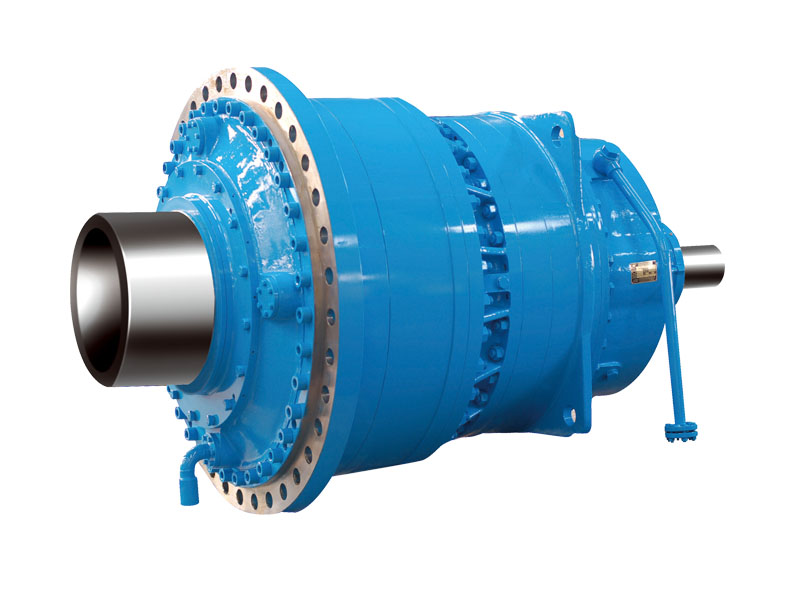
Supplier Evaluation and Selection Process
Technical Capability Assessment
Evaluate potential suppliers’ technical capabilities through multiple dimensions. Product range comprehensiveness indicates manufacturing depth. Customization flexibility demonstrates engineering capabilities.
Engineering support quality proves critical for successful implementation. Request detailed technical discussions covering application requirements. Strong suppliers demonstrate deep technology understanding.
They ask probing questions clarifying application details. This approach exceeds simply quoting catalog specifications.
Manufacturing Facility Visits
Manufacturing facility visits provide valuable insights. Observe production capabilities, quality control processes, and operational maturity. Note manufacturing equipment sophistication.
Cleanliness and organization of production areas indicate operational discipline. Inspection and testing equipment availability demonstrates quality commitment. Staff technical competence correlates with product consistency.
These factors strongly correlate with product quality consistency. They also indicate supplier reliability over extended partnerships.
Service Infrastructure
Technical support capabilities significantly impact successful implementation. This proves particularly true for complex applications or customized solutions. Evaluate suppliers’ local presence in Thailand.
Assess technical staff availability and expertise. Response times for technical inquiries matter significantly. Warranty terms and claim processes require clear understanding.
Local Support Advantages
Suppliers with Thailand-based technical teams typically provide faster response times. Application support quality exceeds overseas engineering resources. The Federation of Thai Industries conducted relevant surveys.
Manufacturers rate local technical support availability as the second most important criterion. Only product quality ranks higher. This emphasizes accessible expertise value throughout equipment lifecycles.
Commercial Terms
Commercial considerations beyond pricing significantly impact supplier suitability. Evaluate payment terms flexibility for your organization. Minimum order quantities affect procurement flexibility.
Lead times for standard and custom configurations require assessment. Inventory management support benefits recurring purchases significantly.
Value-Added Services
Some suppliers offer vendor-managed inventory (VMI) programs. They maintain stock at customer facilities or nearby warehouses. This ensures immediate availability while minimizing customer inventory investment.
These arrangements particularly benefit manufacturers with ongoing requirements. Multiple production lines create consistent demand. Additionally, assess suppliers’ responsiveness to urgent requirements.
Willingness to accommodate rush orders proves valuable when production demands require expedited delivery.
Installation and Integration Best Practices
Mounting Requirements
Planetary gearbox motors require rigid mounting. This prevents vibration and ensures proper load distribution across gear teeth. Use mounting flanges or foot-mounting configurations as specified.
Ensure flatness within 0.05mm across mounting surfaces. Soft or uneven mounting surfaces create dynamic loads during operation. These accelerate bearing wear and may cause premature gear tooth failure.
Shaft Alignment
Couple planetary gearbox motor output shafts to driven equipment carefully. Maintain precise alignment within manufacturer specifications. Parallel misalignment typically allows 0.02-0.05mm tolerance.
Angular misalignment permits 0.1-0.2° deviation. Excessive misalignment increases bearing loads significantly. It also generates vibration and reduces efficiency through additional friction losses.
Utilize precision alignment tools and measurement techniques. Ensure installation quality meets specifications before commissioning equipment.
Electrical Connection Best Practices
Follow manufacturer wiring diagrams carefully when connecting electrical supplies. Verify voltage, phase, and frequency compatibility before applying power. Incorrect electrical connections may permanently damage motor windings.
Control electronics also risk damage from improper connections. Install appropriate motor protection including thermal overload relays. Size short-circuit protection according to motor specifications.
Signal Cable Routing
Motors incorporating encoders or resolvers require special attention. Route signal cables separately from power conductors. This minimizes electrical noise interference significantly.
Use shielded cables for encoder signals. Maintain proper grounding to ensure reliable position feedback. Poor signal quality from encoders causes positioning errors in servo applications.
It may also cause erratic operation in closed-loop speed control systems.
Initial Operation Procedures
Many planetary gearbox manufacturers recommend break-in procedures for new installations. This proves particularly important for precision units with tight backlash specifications. Typical break-in protocols involve operating at reduced loads.
Run at 30-50% of rated capacity for initial 20-50 hours. This allows gear tooth surfaces to mate properly. Lubrication distributes throughout all internal surfaces during this period.
Commissioning Monitoring
Monitor temperature, vibration, and noise levels during initial operation. Compare observations against manufacturer specifications. Note typical values for similar installations.
Unusual temperature rise may indicate installation issues. Excessive vibration requires immediate attention. Abnormal noise suggests potential problems.
Address issues during commissioning rather than allowing continued operation. Progressive damage to gearbox components may result from ignoring early warning signs.
Lubrication Management
Most planetary gearbox motors arrive with lifetime lubrication. This suits standard operating conditions adequately. However, severe environments may require periodic maintenance.
Continuous high-load operation demands attention to lubrication. Temperature extremes also affect lubrication longevity. Follow manufacturer schedules for periodic lubrication maintenance.
Lubricant Selection
Use only specified lubricant types and grades. Incompatible lubricants may cause gear or bearing damage. Some applications require food-grade lubricants.
NSF H1-certified products suit food processing or pharmaceutical manufacturing. Verify factory-installed lubrication meets application requirements. Arrange for lubricant replacement before installation if necessary.
Consider breather installation for certain environments. Significant temperature cycling requires internal pressure equalization. Breathers allow this while preventing moisture ingress.
Maintenance Requirements and Service Life
Regular Inspection Schedule
Implement regular visual inspections for critical parameters. Check for oil leakage, unusual noise, and vibration. Monitor for excessive heating.
Verify mounting fastener tightness remains adequate. Monthly inspections typically suffice for standard industrial applications. Continuous high-duty cycle operations may warrant weekly checks.
Daily inspections prove necessary for critical parameters in some applications. Document inspection findings to establish baseline performance. Identify gradual degradation trends before they progress to failures.
Temperature Monitoring
Temperature monitoring provides valuable insights into condition. Normal operating temperatures typically stabilize 20-40°C above ambient. This occurs after 30-60 minutes of operation.
Temperature increases of 10-15°C above established baseline values may indicate problems. Developing issues include lubrication degradation or bearing wear. Excessive loading also causes temperature elevation.
Infrared thermography enables non-contact temperature measurement. Thermal pattern analysis identifies localized heating. This associates with specific failure modes effectively.
Predictive Maintenance Techniques
Advanced maintenance programs incorporate predictive techniques. Vibration analysis identifies bearing defects and gear tooth wear. It also detects misalignment through characteristic frequency patterns.
Portable vibration analyzers enable periodic measurements. Permanently installed sensors provide continuous monitoring for critical applications. Oil analysis programs apply to oil-lubricated planetary gearboxes.
Grease-lubricated sealed units don’t benefit from this technique.
Oil Analysis Programs
Oil analysis tracks lubricant degradation. It also detects metal particles indicating component wear. Regular oil sampling and laboratory analysis establish degradation trends.
This enables lubricant change scheduling based on actual condition. Fixed time intervals become unnecessary with condition-based approach. This optimizes maintenance costs while ensuring adequate lubrication protection.
Component Replacement
Even well-maintained units eventually require component replacement. Normal wear progression necessitates rebuilds. Typical service life for quality industrial planetary units ranges from 20,000-50,000 hours.
This depends on operating conditions and load factors. Applications operating at 50-70% of rated capacity generally achieve longer service life. This compares favorably to units consistently operating near maximum ratings.
Rebuild Economics
Evaluate rebuild versus replacement economics when overhaul becomes necessary. Complete replacement typically proves more cost-effective for smaller units. Those under 500 Nm output see rebuild labor costs approach new equipment prices.
Larger, more expensive planetary gearboxes often justify rebuilding. Original manufacturers or qualified rebuild specialists offer comprehensive services. These include gear replacement, bearing renewal, and housing restoration to like-new condition.
Spare Parts Strategy
Develop appropriate spare parts strategies. Balance inventory investment against potential downtime costs. Critical applications may justify maintaining complete spare assemblies.
This enables rapid replacement and minimizes production disruptions. Less critical applications might stock commonly needed wear items. These include seals, bearings, and lubrication supplies.
Rely on supplier support for major component needs in these cases.
Custom Equipment Considerations
For custom or specialized units, consider purchasing spares during initial procurement. Extended lead times make this particularly important. Tooling and manufacturing setups remain active during initial orders.
Standard catalog products typically maintain better long-term parts availability. However, component obsolescence remains possible. Equipment with 15-20+ year service lives may face this challenge.
Manufacturers discontinue older product lines over time.
Future Trends and Technology Developments
Smart Gearbox Integration
Sensor integration transforms traditional planetary gearboxes into intelligent components. Communication capabilities enable real-time performance data transmission. Edge computing provides predictive maintenance insights.
Smart gearboxes monitor parameters including temperature and vibration. Load torque and running hours tracking occurs continuously. Data transmits via industrial communication protocols to plant monitoring systems.
Condition-Based Maintenance
These capabilities enable condition-based maintenance replacing traditional time-based schedules. Maintenance resource allocation improves significantly. Unexpected failures decrease substantially.
Early adopters in Thailand’s automotive and electronics sectors report significant benefits. Thailand Automotive Institute research documents 25-35% maintenance cost reductions. However, smart technology currently commands 15-25% price premiums.
Adoption remains limited primarily to critical or high-value applications.
High-Efficiency Designs
Environmental regulations drive continuous efficiency improvements. Energy cost pressures add to this motivation. Advanced tooth profile optimization pushes efficiency levels higher.
Premium bearing selections contribute to gains. Synthetic lubricants enable efficiency approaching 98% in single-stage configurations. Multi-stage designs incorporate separate optimized gear sets.
Each reduction stage receives individual optimization. Overall efficiencies exceed traditional approaches by 2-4 percentage points.
Energy Savings Analysis
Applications operating continuously or at high power levels generate substantial savings. Consider a 100 kW planetary gearbox motor operating 6,000 hours annually. Energy consumption decreases 18,000-24,000 kWh with 96% versus 92% efficiency.
This represents annual savings of approximately USD 1,800-2,400. Calculations use typical Thai industrial electricity rates. These savings often justify premium pricing for high-efficiency configurations.
Payback periods fall under two years in many cases.
Compact and Lightweight Designs
Mobile robotics demand increasingly compact designs. Collaborative robots (cobots) require lightweight solutions. Aerospace applications impose similar constraints.
Performance capabilities cannot be compromised despite size reductions. Advanced materials enable substantial weight reductions. Aluminum alloys, carbon fiber composites, and high-strength steel grades maintain structural integrity.
Durability remains comparable to traditional designs.
Size Reduction Techniques
Manufacturers achieve size reductions through optimized gear geometries. Tooth contact areas maximize load distribution. Some designs incorporate hollow output shafts.
This enables cable passage through gearbox centers. Machine designs simplify significantly. Overall installation envelopes reduce dramatically.
These compact configurations particularly benefit Thailand’s growing robotics sector. Space constraints significantly impact system designs. Weight limitations also influence configuration selection.
Frequently Asked Questions
Main Advantages of Planetary Gearboxes
What are the main advantages of planetary gearboxes compared to other gear types?
Planetary gearboxes deliver several distinct advantages making them preferred choices for many industrial applications. High torque density provides substantial output torque within compact physical envelopes. They typically measure 30-50% smaller than equivalent helical or worm gear configurations.
The symmetric gear arrangement distributes loads across multiple planet gears. This differs from single gear tooth contact in other designs. Higher torque capacities result while reducing individual component stress levels.
Efficiency typically exceeds 95% in quality designs. This results from rolling contact between gear teeth rather than sliding friction. Energy losses during power transmission remain minimal.
Low backlash characteristics achievable in precision planetary designs often fall under 3 arc-minutes. This supports accurate positioning essential for robotics and automation applications. Finally, inline input-output shaft configuration simplifies machine designs.
Installation complexity reduces compared to right-angle configurations. Worm or bevel gear reducers require these right-angle setups.
Determining the Correct Gear Ratio
How do I determine the correct gear ratio for my application?
Selecting appropriate gear ratios requires analyzing both speed and torque requirements. Start by determining your desired output speed. Then divide the motor’s rated speed by this target.
This calculates the required reduction ratio. For example, consider using a 1,500 RPM motor to drive a conveyor. If the conveyor requires 50 RPM output, calculate: 1,500 ÷ 50 = 30:1.
Next, verify that resulting output torque meets application requirements. Multiply motor torque by the gear ratio and gearbox efficiency. Include safety margins of 25-50% above calculated requirements.
This accommodates starting loads and shock loads. It also provides capacity for future increases. Consider whether your application requires precise speed control.
This suggests lower ratios with higher output speeds. Maximum torque density favors higher ratios with slower outputs. Consult manufacturer selection guides or engineering support for complex applications.
These include varying loads, frequent starts and stops, or critical positioning requirements.
Maintenance Requirements
What maintenance does a planetary gearbox motor require?
Maintenance requirements vary based on design type and operating conditions. Sealed, grease-lubricated units designed for lifetime lubrication require minimal maintenance. Periodic inspections check for unusual noise, vibration, or temperature rise.
Also monitor for oil leakage. These inspections might occur monthly or quarterly. Frequency depends on duty cycle intensity and application criticality.
Monitor and record operating temperatures. Compare against baseline values to identify gradual increases. This indicates developing problems requiring attention.
Check mounting hardware tightness every 3-6 months. This proves particularly important during initial operation periods. Vibration may cause fastener loosening early in service life.
For units with oil lubrication requiring periodic service, follow manufacturer specifications. Oil change intervals typically range from 2,000-10,000 operating hours. This depends on operating conditions significantly.
Severe environments require more frequent attention. High temperatures, moisture exposure, or contamination accelerate degradation. More frequent inspections and earlier oil changes prove necessary.
Maintain detailed maintenance logs documenting all activities. Record inspection findings, oil changes, and unusual observations. Document any repairs performed on equipment.
This establishes equipment history supporting predictive maintenance programs. It also helps identify recurring issues requiring corrective action.
Bidirectional Operation Capability
Can planetary gearboxes operate in both directions?
Yes, quality planetary gearbox designs support bidirectional operation. Performance degradation does not occur with direction changes. Reliability concerns remain minimal in well-designed units.
The symmetric gear arrangement enables equal performance regardless of rotation direction. Balanced load distribution supports this bidirectional capability. However, certain application-specific considerations may affect use.
Some manufacturers offer directional gear tooth grinding. This optimizes tooth contact patterns for predominant rotation direction. These units may produce slightly increased noise in reverse direction.
Efficiency may reduce marginally as well. Though reliability remains unaffected in these cases. Gearboxes incorporating one-way bearings cannot operate bidirectionally.
Backstop devices preventing reverse rotation also limit directional capability. Verify specifications if considering such applications carefully. Lubrication systems in some larger planetary reducers use directional designs.
Splash lubrication or oil pumps may optimize for specific rotation. Confirm adequate lubrication occurs in both directions. This proves important for applications with frequent direction reversals.
For most standard industrial planetary gearbox motors, bidirectional operation presents no concerns. Control systems must properly manage motor direction changes. Applications should avoid rapid direction reversals without adequate deceleration periods.
Standard vs Servo-Grade Differences
What is the difference between standard and servo-grade planetary gearboxes?
Servo-grade planetary gearboxes feature precision manufacturing supporting demanding applications. Specialized design elements enable exceptional positioning accuracy. Dynamic response characteristics exceed standard industrial units significantly.
The primary distinction involves backlash specifications. Standard industrial units typically offer 5-15 arc-minutes backlash. Servo-grade designs achieve 3 arc-minutes or less.
Premium zero-backlash configurations reach under 1 arc-minute. This reduced backlash enables precise bidirectional positioning. Robotics, CNC machinery, and automated assembly equipment require this precision.
Torsional stiffness represents another key difference. Servo applications require rigid power transmission. This minimizes wind-up and resonance during rapid cycles.
Rapid acceleration and deceleration create challenging conditions. Servo-grade units incorporate heavier housing sections. Optimized bearing preloads improve performance.
Enhanced gear tooth contact patterns contribute as well. These achieve 2-3 times greater torsional rigidity. This compares favorably against standard designs.
Inertia matching considerations also distinguish servo-grade units. Manufacturers provide detailed inertia specifications. This enables proper servo system tuning.
Optimal dynamic performance results from correct matching. Finally, servo-grade units command premium pricing. Costs typically reach 2-3 times standard industrial equivalents.
Tighter manufacturing tolerances justify this premium. Material selection proves more critical. Specialized engineering supports high-performance applications effectively.
Expected Service Life
How long does a planetary gearbox motor typically last?
Service life expectations vary significantly based on multiple factors. Application duty cycles significantly impact longevity. Operating conditions prove equally important.
Maintenance quality affects service life substantially. Design robustness determines baseline durability. Under typical industrial operating conditions, quality planetary units perform well.
Operation at 50-70% of rated capacity with proper maintenance yields 20,000-50,000 operating hours. Major service or replacement becomes necessary after this period. Continuous-duty applications operating multiple shifts reach these thresholds within 3-7 years.
Intermittent-duty equipment may span 15-25+ years. They accumulate equivalent operating time much more slowly. Several factors significantly impact service life beyond basic specifications.
Load intensity relative to ratings proves critical. Operation consistently near maximum capacity reduces life expectancy by 40-60%. This compares unfavorably to moderate loading scenarios.
Operating environment affects longevity through multiple mechanisms. Temperature extremes accelerate lubricant degradation significantly. Moisture causes corrosion reducing component life.
Contamination introduces abrasive particles. These accelerate wear dramatically in some cases. Maintenance quality proves critical for extended service.
Proper lubrication extends service life substantially. Timely component replacement prevents secondary damage. Well-maintained equipment outlasts neglected units significantly.
Quality tier matters considerably as well. Premium manufacturers employ superior materials throughout. Tighter tolerances reduce stress concentrations.
More conservative design factors provide additional safety margins. These achieve 50-100% longer service lives. This compares favorably against economy-grade alternatives.
Initial costs prove higher for premium equipment. However, lifecycle economics often favor quality. For critical applications, consider life cycle cost analysis.
Don’t focus solely on purchase price. Quoted service life specifications require context. Consider all operating factors affecting your specific application.
Supplier Certifications
What certifications should I look for when selecting a supplier?
Essential certifications validate planetary gearbox motor supplier capabilities effectively. ISO 9001:2015 quality management systems demonstrate systematic quality control. Continuous improvement practices indicate operational maturity.
This baseline certification provides reasonable assurance of manufacturing consistency. However, it doesn’t guarantee specific product performance characteristics. Industry-specific certifications become important for specialized applications.
IATF 16949 suits automotive suppliers ensuring automotive quality standards compliance. ISO 13485 applies to medical device manufacturers requiring medical-grade quality systems. Food safety certifications matter for equipment contacting food products.
They also apply to operations in food production environments. Electrical safety certifications verify motor components meet applicable standards. CE marking serves European markets effectively.
UL recognition applies to North American applications. Local Thai electrical safety approvals may also prove necessary. Environmental certifications indicate responsible manufacturing practices.
ISO 14001 and RoHS compliance demonstrate environmental commitment. Request certification documentation during supplier evaluation. Verify that certificates remain current and valid.
Ensure scope includes relevant product categories for your needs. Consider third-party product testing and certification beyond manufacturer claims. This proves particularly important for critical applications.
Performance and reliability prove essential in these cases. Reputable suppliers readily provide certification documentation. They welcome discussions about quality systems and testing protocols.
Outdoor Application Suitability
Can I use a planetary gearbox motor in outdoor applications?
Planetary gearbox motors can operate successfully in outdoor applications when properly specified. However, environmental exposure requires careful consideration. Standard industrial-grade units designed for controlled factories feature inadequate protection.
Specifically, IP54 or IP55 ratings prove insufficient for outdoor use. Rain, humidity, and temperature extremes occur in outdoor environments. Therefore, enhanced protection levels become necessary for reliable operation.
Protection Requirements
IP65 minimum provides basic weather resistance. Furthermore, IP66 offers heavy rain and washdown resistance. Additionally, IP67 ensures temporary submersion protection.
Moreover, corrosion protection proves essential in outdoor installations. Powder coating provides basic protection. Alternatively, specialized paint systems offer enhanced durability.
For the most demanding environments, stainless steel construction becomes necessary. Coastal areas with salt spray exposure particularly benefit from stainless construction.
Temperature Considerations
Temperature rating considerations include ambient operating range. In addition, direct solar heat gain may elevate motor temperatures significantly. This exceeds air temperature substantially in tropical climates.
Consequently, verify specifications accommodate your location’s temperature extremes. Thailand’s climate typically requires -20°C to +60°C rating minimum.
Furthermore, condensation management requires attention in outdoor applications. Temperature cycling causes moisture condensation inside enclosures. This potentially damages electrical components over time.
Therefore, consider units with condensate drains allowing moisture escape. Breathing devices permit pressure equalization while excluding moisture. These prove valuable in cycling temperature environments.
UV Protection
Finally, assess long-term UV radiation exposure effects. Standard cable insulation degrades under direct sunlight. Similarly, housing materials also deteriorate with UV exposure.
As a result, select UV-resistant components for applications with direct sun exposure. Consult manufacturers regarding specific environmental conditions. This ensures appropriate specification for reliable outdoor operation.
Expected service life depends on proper environmental protection.
Gearbox Sizing Guidelines
How do I size a planetary gearbox for my specific application?
Proper planetary gearbox sizing requires systematic analysis. First, application requirements need careful evaluation. Additionally, operating conditions significantly affect selection.
Calculating Torque Requirements
Begin by calculating required output torque comprehensively. Include static load torque during constant-speed operation. Furthermore, account for dynamic torque during acceleration and deceleration.
Also consider peak torque from shock loads or emergency stops. Then add safety factors typically ranging from 1.5-2.5. This depends on application variability significantly.
Moreover, consequence of failure also influences safety factor selection.
Speed and Ratio Selection
Next, determine speed requirements at both shafts. Consider input (motor) and output shaft speeds. Calculate the necessary reduction ratio dividing motor speed by required output speed.
Subsequently, verify the selected ratio provides adequate output torque. Multiply motor torque by ratio and gearbox efficiency. Efficiency typically reaches 95-97% per stage in quality units.
Duty Cycle Analysis
Consider duty cycle characteristics affecting thermal loading. Continuous operation requires conservative ratings for reliability. In contrast, intermittent operation allows higher peak loads without overheating.
Thermal considerations for enclosed applications limit heat dissipation. Consequently, this affects continuous torque capacity significantly.
Environmental Factors
Evaluate environmental factors comprehensively. Temperature extremes affect lubricant viscosity and component expansion. Similarly, shock and vibration levels require robust construction.
Mounting orientation may affect lubrication if gravity influences distribution. Physical envelope constraints may limit available sizes. This potentially requires higher gear ratios.
Motor selections may need optimization for space utilization.
Special Requirements
Finally, assess special requirements carefully. Low backlash suits positioning applications. High torsional stiffness benefits servo systems.
Food-grade materials prove necessary for hygienic applications. Manufacturer selection tools assist with complex calculations. Engineering support services help with unusual operating profiles.
Critical performance requirements benefit from professional assistance.
Procurement Lead Times
What is the typical lead time for planetary gearbox motors in Thailand?
Lead times for planetary gearbox motor procurement in Thailand vary significantly. Product standardization affects delivery schedules substantially. Moreover, supplier inventory practices influence availability.
Customization requirements extend lead times considerably. In addition, order quantities also impact production scheduling.
Standard Catalog Products
Standard catalog configurations from major suppliers ship quickly. Thailand warehouse stock typically ships within 1-2 weeks. However, this assumes inventory availability for your specific ratio.
Motor combinations must match available stock. Make-to-order standard products not in stock require manufacturing time. These generally need 4-6 weeks for manufacturing and delivery.
Nevertheless, some suppliers maintain shorter 2-3 week lead times. This applies to popular configurations with streamlined production.
Custom Configurations
Custom-configured units involve non-standard specifications. These include special ratios, modified mounting arrangements, or custom shafts. Lead times typically extend to 6-10 weeks for these products.
Engineering review requires additional time. Furthermore, custom gear manufacturing involves specialized tooling. Assembly verification ensures quality before shipment.
Highly customized designs require unique housings or specialized gear sets. Extensive engineering support extends timelines further. These may require 10-16 weeks or longer.
Complexity significantly affects production duration. Additionally, current production schedules also influence delivery timing.
Import Considerations
Import products from overseas manufacturers add shipping time. Generally expect 2-4 weeks additional delivery time. Manufacturer lead times remain the baseline.
However, some suppliers maintain local inventory. This mitigates import delays for standard items effectively.
Quantity Impact
Quantity affects lead times particularly for specialized configurations. Small orders (1-5 units) sometimes receive priority. Production schedules accommodate quick turnaround.
Conversely, large orders (100+ units) require extended manufacturing periods. Production spreads across multiple weeks for volume orders.
Rush Services
Rush order services available from some suppliers reduce timelines. Standard lead times may decrease by 30-50%. However, premium charges typically range 15-30% above standard pricing.
Therefore, plan procurement timelines conservatively for critical applications. Project deadlines require buffer periods. Maintain communication with suppliers regarding schedule changes.
Potential delays may require contingency planning. Consequently, early engagement improves delivery reliability significantly.