
Shaft Mounted Gearbox Installation: Complete Step-by-Step Guide 2026
Proper installation requires precise alignment, correct torque application, and systematic procedures to ensure optimal performance and longevity. According to AGMA Standard 6001-D97, approximately 80% of premature gearbox failures stem from improper installation practices, particularly rigid mounting and misalignment issues that create excessive bearing loads and accelerated wear. This comprehensive guide provides step-by-step instructions covering pre-installation preparation, bushing installation, torque arm setup, lubrication procedures, and commissioning checks, enabling technicians to achieve professional-grade installations that maximize equipment reliability and minimize maintenance requirements over typical 15-20 year service lives.
Understanding Reducer Fundamentals
What is a Shaft Mounted Gearbox
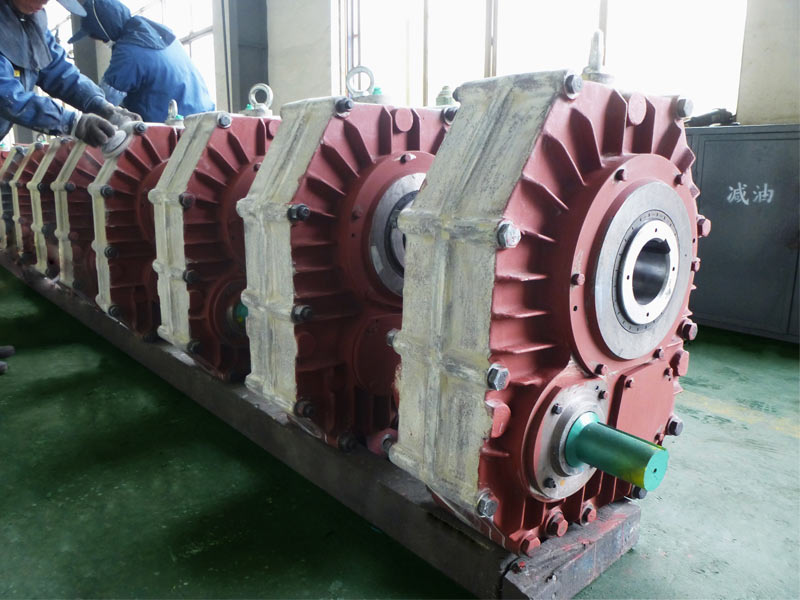
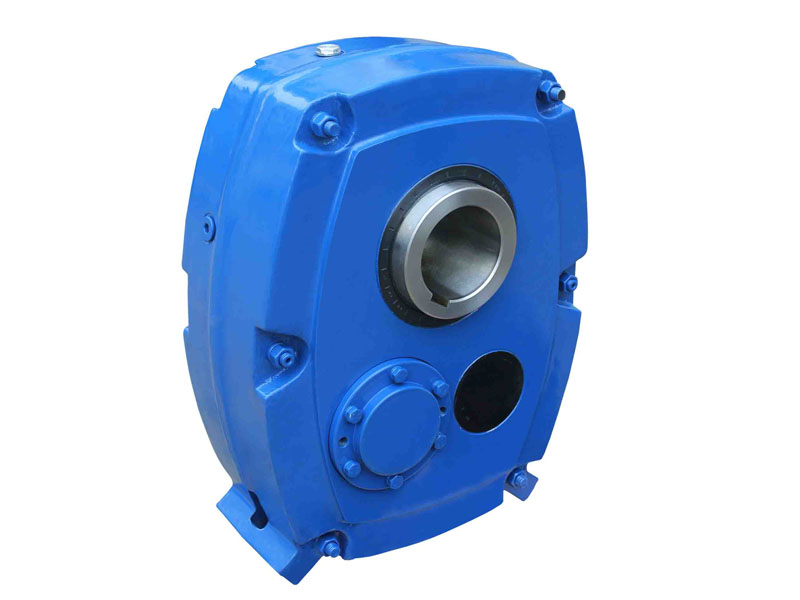
A shaft mounted gearbox represents a specialized power transmission device that mounts directly onto the driven shaft of industrial equipment. Unlike foot-mounted units requiring separate coupling systems and precision alignment, these reducers eliminate complex alignment procedures through direct shaft mounting. The hollow output bore accommodates the driven shaft using keyways, tapered bushings, or keyless locking assemblies.
This mounting configuration offers several distinct advantages for industrial applications. First and foremost, it eliminates the need for separate output shafts and flexible couplings between the reducer and driven equipment. Consequently, installation time decreases by approximately 40% compared to foot-mounted alternatives requiring precise shaft alignment.
Moreover, the compact design reduces space requirements significantly. These units prove particularly valuable in conveyor applications, material handling systems, mixers, and agitators. Therefore, they operate efficiently in horizontal, vertical, or inclined positions without performance degradation.
Core Components Overview
Understanding component functions facilitates proper installation procedures. The hollow output hub represents the primary mounting interface connecting the reducer to driven equipment. This component features precision-bored surfaces ensuring concentricity with the driven shaft during operation.
Tapered bushings provide the shaft connection mechanism in most designs. These split bushings compress onto the shaft when tightening mounting bolts creating a friction grip. Alternatively, some models employ keyless locking assemblies or shrink disc connections for enhanced torque transmission.
The torque arm prevents rotation during operation by transmitting reaction torque to a fixed anchor point. This critical component proves essential for safe operation. Furthermore, proper torque arm installation ensures bearing loads remain within design limits.
Input shaft assemblies accept power transmission from motors via V-belts, chains, or direct coupling depending on application requirements. The internal gearing mechanism reduces speed while increasing torque according to the selected reduction ratio. Additionally, some models incorporate multiple reduction stages achieving higher ratios.
Installation Critical Success Factors
Several factors determine installation success and long-term performance reliability. Shaft surface condition significantly affects bushing grip strength and rotational concentricity. Consequently, thorough shaft preparation proves critical before beginning installation procedures.
Proper torque arm alignment prevents bearing overload and shaft fatigue that accelerate component wear. Misalignment creates side loads exceeding design parameters causing premature failure. Furthermore, adequate float in the torque arm accommodates inherent shaft runout during rotation.
Lubrication before initial operation prevents immediate gear damage. Most units ship without oil to prevent leakage during transportation. Additionally, correct lubricant selection based on ambient temperature ensures optimal viscosity and film strength.
Belt tension adjustment affects bearing loads and operational efficiency significantly. Therefore, proper tensioning procedures balance effective power transmission with maximizing bearing service life. Excessive tension causes premature bearing failure while insufficient tension reduces efficiency and may cause belt slippage.
Pre-Installation Preparation and Planning
Safety Considerations and Protocols
Safety measures protect personnel and equipment during installation procedures. First and foremost, ensure all power sources are locked out and tagged according to OSHA regulations. Verify that driven equipment cannot move unexpectedly during installation creating crush or entanglement hazards.
Use appropriate personal protective equipment including safety glasses, gloves, and steel-toed boots. Sharp edges on bushings, keys, and mounting hardware present cut hazards requiring caution. Moreover, heavy assemblies require proper lifting techniques or mechanical assistance preventing back injuries.
Clear the work area of obstacles and ensure adequate lighting for precision work. Consequently, technicians can work safely without tripping hazards or visibility issues. Additionally, have all required tools and materials staged within easy reach before beginning work to avoid unnecessary movement.
Required Tools and Materials
Gather necessary tools before starting the installation process. A calibrated torque wrench proves essential for proper bolt tightening to manufacturer specifications. Torque requirements typically range from 50-500 ft-lbs depending on reducer size and bushing configuration.
Feeler gauges or dial indicators measure alignment and clearances with precision accuracy. Proper alignment tools ensure optimal performance and service life. Furthermore, precision measurement instruments prevent costly installation mistakes requiring rework.
Standard hand tools include various wrenches, socket sets, and screwdrivers for hardware installation. Soft-faced hammers assist with bushing installation without damaging precision surfaces. Additionally, keep penetrating oil available for removing seized fasteners from previous installations.
Required materials include appropriate shaft keys meeting ANSI specifications, anti-seize compound for threaded connections, and manufacturer-recommended lubricant. Moreover, cleaning supplies remove contaminants from shafts and mounting surfaces ensuring proper bushing fit. Thread-locking compound secures critical fasteners against vibration-induced loosening during operation.
Shaft and Mounting Surface Inspection
Inspect the driven shaft thoroughly before beginning installation. Check for scoring, rust pitting, or mechanical damage that could affect bushing fit quality. Consequently, damaged shafts require repair or replacement before proceeding to ensure proper performance.
Measure shaft diameter at the mounting location using precision micrometers or calipers. Verify dimensions fall within specified tolerances, typically +0.000/-0.002 inches for proper bushing fit. Moreover, excessive shaft wear necessitates bushing size adjustment or shaft repair.
Clean shaft surfaces thoroughly with petroleum solvent removing oil, dirt, rust, and scale. Use emery cloth or fine sandpaper for light rust removal achieving required surface finish. However, avoid excessive material removal that could affect critical shaft dimensions.
Verify shaft keyway dimensions match ANSI B17.1 standard specifications for proper key engagement. Check keyway depth, width, and parallelism using precision measuring instruments. Furthermore, inspect for cracks or damage requiring repair before installation.
Gearbox and Component Inspection
Examine the reducer carefully for shipping damage before beginning installation procedures. Check the housing for cracks, dents, or other structural defects compromising integrity. Consequently, damaged units require return to the manufacturer or supplier for replacement or repair.
Verify nameplate information matches specified requirements for the application. Confirm reduction ratio, capacity rating, service factor, and mounting configuration align with design intent. Moreover, ensure all accessories including bushings, torque arms, and hardware are present and undamaged.
Inspect tapered bushings for damage, defects, or contamination affecting performance. Check tapered surfaces for scoring or material contamination preventing proper fit. Additionally, verify bushing keyways align properly with shaft keys for effective torque transmission.
Examine torque arm components carefully for bent or damaged parts compromising structural integrity. Turnbuckle-style torque arms should thread smoothly without binding or cross-threading. Furthermore, check rubber bushings for deterioration, cracking, or excessive hardness indicating age-related degradation.
Shaft Key Installation and Preparation
Selecting Proper Key Size and Type
Shaft keys transmit torque between the driven shaft and bushing assembly. Select key size according to shaft diameter and keyway specifications following ANSI B17.1 dimensional requirements. Proper key sizing ensures adequate torque transmission without overstressing components.
Key length must engage the full length of the bushing bore for maximum torque capacity. Measure bushing keyway length carefully and select keys accordingly. Consequently, keys too short fail to transmit rated torque effectively causing slippage or failure.
Key material typically consists of low-carbon steel or alloy steel suitable for general industrial service. Some high-torque applications require hardened steel keys for increased strength and wear resistance. Moreover, stainless steel keys suit corrosive environments where standard steel corrodes.
Three key types exist for tapered bushing systems: rectangular, square, and offset configurations. Most applications use rectangular or offset keys for standard service. Therefore, verify key type matches the specific bushing design specified by the manufacturer.
Key Installation Procedure
Install the shaft key in the driven shaft keyway before positioning the reducer assembly. Align the key flush with the shaft end or as specified in detailed installation instructions. This positioning ensures proper engagement with the bushing during assembly procedures.
Retain the key temporarily to prevent movement during bushing installation. Use masking tape, modeling clay, or light grease for temporary retention without contamination. Consequently, the key remains positioned correctly during subsequent assembly steps preventing misalignment.
Verify the key fits the keyway with appropriate clearance following manufacturer specifications. The key should install with a sliding fit in the bushing keyway allowing easy assembly. However, the shaft keyway should provide a tighter fit preventing key movement during operation.
Check key engagement length after installation. The key must extend into the bushing bore sufficiently for rated torque transmission. Moreover, ensure the key doesn’t bottom out in the keyway preventing proper bushing seating against the shaft surface.
Common Key Installation Errors
Several installation errors compromise key function and safety during operation. Keys installed backwards in offset keyways fail to transmit torque properly causing slippage. Consequently, verify offset key orientation carefully before installation following manufacturer diagrams.
Insufficient key length reduces torque transmission capacity significantly. Keys must engage the full bushing length for achieving rated capacity safely. Therefore, measure key length carefully before installation preventing inadequate engagement.
Damaged or worn keys cause excessive backlash and accelerated wear. Inspect keys thoroughly for burrs, cracks, or deformation before installation. Additionally, replace questionable keys rather than risking failure during operation causing equipment damage.
Keys protruding beyond the shaft end prevent proper positioning on the driven shaft. Position keys flush with the shaft end or as manufacturer specifications indicate. Furthermore, file protruding keys to proper length ensuring adequate clearance during assembly.
Tapered Bushing Installation Steps
Front Mounting Configuration
Front mounting positions the reducer near the front bearing of driven equipment minimizing overhung loads. This configuration reduces bearing loads on driven shaft bearings significantly. Therefore, it represents the preferred mounting arrangement when installation space permits.
Begin by threading the bushing ring onto the hollow output quill carefully. Thread the ring until flush with the quill end on the input shaft side. This creates necessary space for the stabilizer ring installation in the assembly.
Rotate the input shaft to align the quill keyway with the installed shaft key. Visual alignment through the hollow bore ensures proper positioning without interference. Consequently, the bushing slides onto the shaft smoothly without binding or damage.
Installing the Bushing Assembly
Install the tapered bushing on the shaft with the flanged end first for proper assembly. Align the bushing keyway precisely with the installed shaft key for smooth installation. Consequently, the bushing slides over the key without binding or forcing.
Position the bushing fully onto the shaft ensuring complete engagement. The shaft must engage the complete bushing length for proper clamping force. Moreover, insufficient engagement reduces holding power and affects concentricity during operation.
Slide the reducer assembly onto the shaft until the driven shaft end aligns with the quill end. This positioning maximizes shaft support while accommodating the stabilizer ring properly. Furthermore, it prevents shaft end interference with internal components during rotation.
Stabilizer Ring Installation
Insert the stabilizer ring into the quill from the output end carefully. The stabilizer ring prevents bushing deflection during operation maintaining concentricity. Consequently, it maintains precise alignment and reduces unnecessary bearing loads during operation.
Thread the end cap onto the quill hand-tight initially for alignment. The end cap compresses the stabilizer ring against the bushing providing axial support. Moreover, it provides essential axial retention for the entire shaft mounting assembly.
Install bushing capscrews through the flange into the bushing following a pattern. Hand-tighten all capscrews initially allowing slight repositioning. Consequently, the assembly can adjust slightly for final alignment optimization.
Bushing Tightening Sequence
Reposition the unit until the driven shaft end sits flush with the quill end. This ensures proper shaft engagement and stabilizer ring compression for optimal performance. Moreover, it prevents internal interference during operation causing noise or vibration.
Tighten the end cap until hand-tight again compressing the stabilizer ring adequately. This compression ensures the stabilizer ring functions properly. Furthermore, install and tighten the end cap setscrew to the manufacturer’s specified torque value.
Tighten bushing capscrews in an alternating, even pattern for uniform compression. Begin with the capscrews nearest the equipment progressing outward. Therefore, the bushing compresses uniformly onto the shaft.
Use a calibrated torque wrench for final tightening to manufacturer specifications. Follow detailed torque specifications from installation manuals for the specific model. Consequently, proper torque ensures adequate clamping force without bushing or housing damage.
| Bushing Size | Capscrew Torque (ft-lbs) | End Cap Setscrew (ft-lbs) | Typical Shaft Mounted Gearbox Size |
|---|---|---|---|
| 1-3 inches | 30-45 | 15-20 | Size 1-3 |
| 3-5 inches | 60-90 | 25-35 | Size 4-5 |
| 5-7 inches | 120-180 | 40-60 | Size 6-7 |
| 7-10 inches | 200-300 | 75-100 | Size 8-10 |
Torque Arm Installation and Alignment
Understanding Torque Arm Function
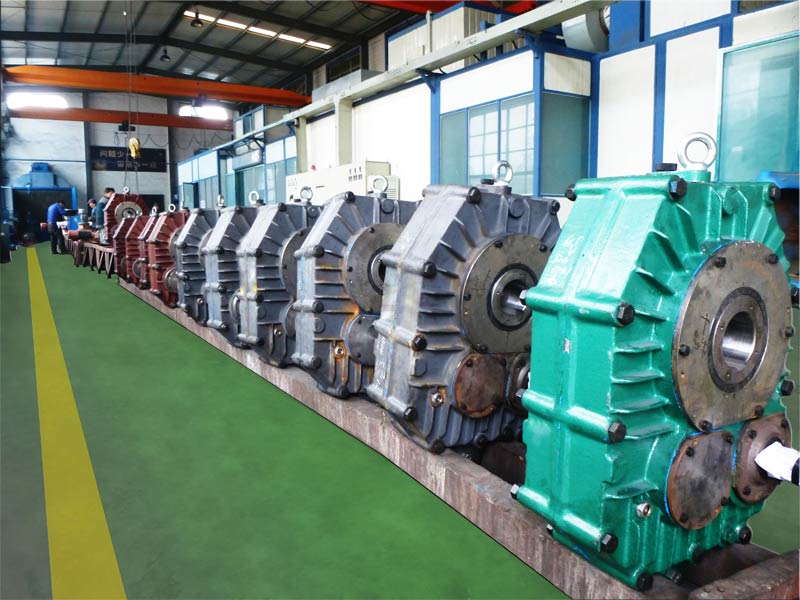
The torque arm prevents rotation during operation by transmitting reaction torque to a fixed structural anchor point. Without proper torque arm installation, the unit spins on the shaft potentially causing serious equipment damage. Therefore, torque arm setup ranks among the most critical installation steps.
Torque arm design accommodates shaft runout through flexible mounting using rubber bushings. These bushings at pivot and anchor points provide necessary float during rotation. Consequently, the reducer follows shaft eccentricity without creating excessive bearing loads.
Torque Arm Types and Selection
Several torque arm designs suit different applications and space constraints. Turnbuckle torque arms provide adjustable length for belt tensioning in variable center distance applications. This design proves most common in V-belt drive installations.
Fixed-length torque arms suit direct-coupled or chain drive installations effectively. These provide rigid torque reaction without length adjustment capability during operation. Moreover, they eliminate turnbuckle maintenance requirements in harsh environments.
Compression-style torque arms operate under compression loading. This design suits applications with light shock loads or reversing operation requirements. However, long compression arms risk buckling under load requiring careful sizing.
Tension-style torque arms operate under tension loading providing greater stability. This configuration proves more reliable for most applications. Therefore, tension mounting represents the preferred arrangement for standard industrial service.
Determining Proper Mounting Position
Torque arm position significantly affects installation performance and reliability. The centerline through the output shaft and torque arm bracket should align perpendicular to the torque arm centerline. Consequently, this creates a 90-degree angle within ±5 degrees tolerance for optimal operation.
Clockwise output shaft rotation requires torque arm mounting on the left side. Conversely, counter-clockwise rotation requires right-side mounting for proper force distribution. Therefore, verify rotation direction carefully before installation to prevent reversal.
Measure the distance from the output shaft center to the torque arm anchor point accurately. This dimension affects torque arm force calculations. Moreover, longer arms reduce force magnitude but increase buckling risk under dynamic loads.
Installing Rubber Bushings
Install rubber bushings at both the bracket and anchor point for proper float. These bushings provide essential float accommodating shaft runout during rotation. Consequently, rigid mounting without bushings causes premature bearing and seal failure.
Position rubber bushings on both sides of mounting points when bidirectional rotation occurs. This provides float regardless of rotation direction during reversing service. Moreover, it eliminates binding during direction reversals preventing component damage.
Ensure bushing bores fit mounting bolts with slight clearance for proper operation. The assembly should move freely without excessive play affecting alignment. Therefore, inspect bushing condition carefully before installation replacing deteriorated components.
Compress bushings to approximately 3mm preload in the primary rotation direction. This optimizes float while maintaining adequate support under load. Furthermore, preloading prevents excessive deflection under normal operational loads.
Torque Arm Assembly Procedure
Bolt the torque arm foot to a rigid foundation or anchor point capable of supporting calculated forces. The mounting surface must support calculated torque arm forces without deflection in shaft mounted gearbox applications. Consequently, inadequate anchor points compromise installation safety and performance.
Thread jam nuts onto turnbuckle rod ends before installation in shaft mounted gearbox assemblies. Right-handed threads use right-handed jam nuts for proper function. Similarly, left-handed threads require left-handed jam nuts preventing unintended loosening.
Thread rod ends into the turnbuckle maintaining minimum engagement depth per manufacturer specifications. Each rod end must extend at least 1.50 inches into the turnbuckle opening for shaft mounted gearbox applications. Moreover, maintain minimum 0.25-inch clearance between rod ends preventing interference.
Connect the torque arm to the shaft mounted gearbox mounting bracket using supplied hardware. Install lockwashers and nuts, tightening securely to prevent loosening. Consequently, the connection resists vibration-induced loosening during operation.
Alignment Verification
Verify the 90-degree angle between the output shaft centerline and torque arm centerline in shaft mounted gearbox installations. Use a protractor or digital angle gauge for accurate measurement within specifications. Consequently, proper alignment prevents side loading on bearings and seals.
Adjust the turnbuckle length to achieve correct positioning in the shaft mounted gearbox installation. Rotate the turnbuckle body to draw rod ends together or apart as needed. Moreover, ensure both jam nuts seat firmly against the turnbuckle body.
Check for binding throughout the expected range of motion in the shaft mounted gearbox assembly. The gearbox should move freely following shaft runout without restriction. Therefore, any restriction indicates alignment problems requiring immediate correction.
Confirm adequate float exists at both mounting points in the shaft mounted gearbox installation. Push the gearbox gently in various directions checking for movement. Consequently, you should detect slight movement at the rubber bushings indicating proper float.
Input Drive Installation and Belt Tensioning
Motor and Drive Pulley Mounting
Mount the motor according to manufacturer specifications and applicable electrical codes for shaft mounted gearbox systems. Ensure the motor base provides rigid support without deflection during operation. Consequently, motor alignment remains stable during continuous operation preventing misalignment.
Install the input sheave on the shaft mounted gearbox input shaft as close to the housing as practical. This minimizes overhung loads on input shaft bearings extending service life. Moreover, it reduces shaft deflection and vibration during high-speed operation.
Similarly, install the motor sheave close to the motor bearing housing in shaft mounted gearbox installations. Minimize the distance between sheaves and bearing supports for both units. Therefore, bearing loads remain within acceptable design limits ensuring reliable operation.
Belt Drive Alignment
Align belt sheaves carefully for proper belt tracking and longevity in shaft mounted gearbox systems. Use a straight edge across sheave faces checking alignment precision. Consequently, parallel sheaves prevent belt walk-off and excessive edge wear.
The belt pull should occur at approximately 90 degrees to the centerline between driven and input shafts. This positioning optimizes force distribution and transmission efficiency in shaft mounted gearbox applications. Moreover, it prevents side loading on bearings affecting service life.
Angular misalignment specifications typically allow ±0.5 degrees maximum for shaft mounted gearbox belt drives. Parallel misalignment should remain within 1/16 inch per foot of center distance. Therefore, precision alignment ensures optimal belt life and power transmission efficiency.
Belt Selection and Installation
Select belt type and size according to manufacturer recommendations and shaft mounted gearbox application requirements. V-belts suit general industrial applications with moderate shock loads. Conversely, synchronous belts provide precise speed control for timing-critical applications.
Verify belt cross-section matches sheave groove geometry in shaft mounted gearbox systems perfectly. Improper combinations cause excessive wear and reduced power transmission capacity. Moreover, matched belt sets ensure proper load sharing in multiple-belt drives.
Install belts with minimal force avoiding excessive prying that damages belts. Loosen motor mounting bolts allowing motor movement for belt installation around sheaves. Consequently, you avoid stretching belts during installation compromising their structural integrity.
Belt Tensioning Procedure
Adjust belt tension using the torque arm turnbuckle mechanism in shaft mounted gearbox installations. Rotating the turnbuckle swings the gearbox about its output hub adjusting center distance. This motion increases or decreases center distance effectively tensioning belts.
Measure belt tension using a belt tension gauge following manufacturer specifications for shaft mounted gearbox drives. Proper tension balances power transmission efficiency with minimizing bearing load. Moreover, it maximizes belt service life reducing maintenance requirements.
Typical tension specifications require 1/64-inch deflection per inch of span for V-belts. For example, a 24-inch span should deflect 0.375 inches under specified force in shaft mounted gearbox applications. Therefore, verify deflection meets requirements before final tightening.
After initial tensioning in shaft mounted gearbox systems, tighten turnbuckle jam nuts securely. This prevents tension loss during operation from vibration. Furthermore, verify jam nuts seat properly against the turnbuckle body preventing loosening.
Overhung Load Calculations
Calculate overhung loads on the shaft mounted gearbox input shaft to verify they remain within specifications. The overhung load formula considers belt tension, drive factor, and geometric parameters:
Overhung Load = (Belt Tension × Drive Factor × Sheave Radius) / Shaft Position
Drive factors vary by belt type in shaft mounted gearbox applications: V-belts use 1.5, single chain uses 1.0, and timing belts use 1.3. Consequently, V-belts create the highest overhung loads on input bearings.
Compare calculated loads against shaft mounted gearbox specifications in the manufacturer’s catalog. Exceeding rated overhung loads causes premature bearing failure reducing equipment life. Therefore, larger sheaves or different drive types may prove necessary.
Lubrication Procedures and Oil Level Setup
Understanding Lubrication Requirements
These units ship without oil to prevent leakage during transportation and handling. Therefore, field lubrication before operation proves absolutely essential for all installations. Operating without proper lubrication causes immediate gear and bearing damage.
Proper lubricant selection depends on ambient operating temperature and gear type. AGMA viscosity grades match temperature ranges ensuring adequate film strength. Consequently, consult manufacturer lubrication charts for specific recommendations for your model.
Petroleum-based mineral oils suit most standard applications effectively. These provide good load-carrying capacity at reasonable cost for general service. Conversely, synthetic lubricants extend change intervals and accommodate temperature extremes.
Selecting Appropriate Lubricant
Determine the ambient operating temperature range at the installation location. Most facilities operate within 50-100°F (10-38°C) requiring AGMA Grade 5 or 6 oil. However, cold environments may require lighter grades for proper flow.
Consult the manufacturer’s lubrication tables for specific recommendations. These tables correlate ambient temperature to proper AGMA viscosity grade selection. Moreover, they identify suitable lubricant brands and specific products for your application.
Extreme pressure (EP) additives prove unnecessary for most applications. Standard gear oils provide adequate protection under normal operating conditions. However, shock-loaded or continuous heavy-duty applications may benefit from EP formulations.
Food and pharmaceutical applications require food-grade NSF H1 certified lubricants. These specialized oils prevent contamination if contact with products occurs. Therefore, verify lubricant meets industry-specific requirements before filling.
| Ambient Temperature Range | AGMA Grade | ISO Viscosity | Typical Shaft Mounted Gearbox Applications |
|---|---|---|---|
| -10°F to 32°F (-23°C to 0°C) | 2-3 | 100-150 | Cold storage, outdoor winter |
| 32°F to 86°F (0°C to 30°C) | 4-5 | 220-320 | Standard indoor installations |
| 86°F to 125°F (30°C to 52°C) | 6-7 | 460-680 | Hot environments, high ambient |
| Below -22°F (-30°C) | Synthetic 3 | 100 synthetic | Extreme cold applications |
Oil Filling Procedure
Locate the oil fill and level plugs according to the mounting position. Position-specific port assignments prevent overfilling or underfilling during lubrication. Consequently, consult the manufacturer’s position diagram for your specific installation orientation.
Remove the oil level plug corresponding to the installation position. This plug location indicates proper oil level for that specific orientation. Moreover, removing it before filling allows air escape during the filling process.
Fill oil through the filler port until it overflows from the level port opening. This ensures correct oil quantity regardless of internal sump geometry variations. Therefore, overfilling becomes impossible using this simple method.
Allow excess oil to drain completely from the level port. This may require several minutes for thick oils or cold temperatures. Consequently, ensure drainage completes before replacing plugs to prevent overfilling.
Installing Breather and Level Plugs
Install the oil level plug with new sealing washer or thread sealant. Tighten securely preventing leakage during operation and thermal cycling. Moreover, verify the plug fully engages the housing threads preventing stripping.
Replace the filler plug with the breather assembly supplied with the unit. The breather allows pressure equalization during thermal cycling and operation. Consequently, it prevents seal damage and oil leakage from internal pressure buildup.
Position the breather at the highest point on the housing for the installation orientation. This prevents oil from reaching the breather element causing clogging. Therefore, verify proper breather location following manufacturer position diagrams.
Ensure the breather ventilation path remains clear and unobstructed. Some breathers include protective caps or filters requiring periodic maintenance. Moreover, contaminated breathers cause internal pressure buildup damaging seals.
Special Position Considerations
Units in non-standard positions require customized oil level adjustment. Vertical or inclined mounting changes oil distribution within the housing significantly. Consequently, special oil level determination proves necessary for optimal lubrication.
Contact the manufacturer’s application engineering department for non-standard position guidance. They provide specific instructions or install standpipes indicating proper levels. Moreover, they may supply custom sight glasses marked for unique positions.
Units operating below 10 RPM output speed may require increased oil levels. Slow speeds reduce oil splash lubrication effectiveness. Therefore, higher oil levels ensure adequate gear tooth lubrication at low speeds.
Some positions require oil level monitoring during operation rather than static filling. Install sight glasses or standpipes enabling running level verification. Consequently, proper lubrication occurs under actual operating conditions.
Final Installation Checks and Commissioning
Pre-Operation Inspection Checklist
Perform systematic checks before energizing equipment to prevent damage. Verify all mounting bolts reach specified torque values using calibrated instruments. Consequently, use a calibrated torque wrench for final verification of all critical fasteners.
Confirm the shaft key engages fully and sits flush with proper positioning. Check that no gaps exist between the bushing and shaft. Moreover, ensure the stabilizer ring compresses adequately maintaining concentricity.
Inspect belt alignment and tension meeting manufacturer specifications for the drive system. Verify sheaves align within tolerance limits preventing premature belt wear. Additionally, confirm belt tension produces appropriate deflection under measurement.
Check torque arm installation for proper alignment and float. Verify the 90-degree angle and rubber bushing function correctly. Furthermore, ensure anchor point provides adequate support for calculated reaction forces.
Lubrication Verification
Confirm oil level reaches the proper indication point for the installation position. Remove and reinstall the level plug verifying oil contacts it appropriately. Consequently, proper fill prevents gear and bearing damage during initial operation.
Verify the breather installs at the highest housing point. Check that the breather ventilation path remains clear without obstruction. Moreover, confirm no obstructions block air exchange preventing pressure equalization.
Inspect all housing plugs and seals for proper installation and tightening. Look for oil leakage around gaskets and sealing surfaces before operation. Therefore, address any leaks immediately before energizing equipment.
Document the lubricant type, grade, and quantity used for maintenance records. Record filling date and installation parameters for future reference. Consequently, future maintenance intervals can be properly calculated and tracked.
Rotation Direction Verification
Verify motor rotation direction matches the required output rotation before load connection. Momentarily energize the motor observing rotation direction carefully. Consequently, incorrect rotation can be corrected before equipment damage occurs.
For three-phase motors, swap any two power leads to reverse rotation if necessary. Single-phase motors may require internal wiring changes for reversal. Therefore, consult motor documentation for proper reversal procedures.
Confirm the torque arm mounts on the correct side for the verified rotation direction. Clockwise rotation requires left-side mounting for proper force transfer. Conversely, counter-clockwise needs right-side installation.
Observe the torque arm during brief test runs. It should operate in tension rather than compression for standard installations. Moreover, verify no binding or interference occurs during rotation.
Initial Start-Up Procedure
Conduct the initial start-up without load if possible. This allows verification of proper operation before introducing loads. Consequently, problems can be identified and corrected easily without damage.
Run the unit for 5-10 minutes observing operation carefully. Listen for unusual noises indicating gear mesh problems or bearing issues. Moreover, monitor vibration levels and temperature rise during this period.
Check oil level again after initial operation. Some air displacement may occur requiring additional oil for proper level. Therefore, recheck and adjust level as necessary maintaining specifications.
Gradually apply load while monitoring performance parameters. Observe temperature, noise, and vibration as load increases incrementally. Consequently, any abnormalities become apparent during commissioning enabling correction.
Temperature Monitoring
Measure housing surface temperature after 30-60 minutes of loaded operation. Normal temperature rise typically reaches 20-40°F above ambient conditions. Consequently, excessive temperature indicates problems requiring immediate investigation.
Compare temperatures to manufacturer specifications and similar installations. Consistent, stable temperature indicates proper operation and adequate lubrication. Moreover, gradually rising temperature suggests developing issues requiring attention.
Use infrared thermography to identify hot spots indicating localized problems. Check bearing areas, gear mesh zones, and seal locations systematically. Therefore, thermal imaging provides early problem detection capabilities.
Document baseline temperatures for future reference in maintenance records. Periodic temperature monitoring tracks equipment condition trends over time. Consequently, gradual increases indicate developing problems before failure occurs.
Break-In Period Recommendations
Some manufacturers recommend break-in procedures for new installations. Typical recommendations involve operating at reduced loads initially for optimal performance. This allows gear tooth surfaces to properly seat and mate.
Run at 30-50% rated capacity for the first 20-50 hours of operation. This gentler loading optimizes surface finish development on gear teeth. Moreover, it distributes lubrication throughout all internal surfaces properly.
Monitor oil condition more frequently during break-in periods. Initial operation may generate metallic particles from gear run-in processes. Therefore, early oil changes remove these contaminants preventing accelerated wear.
After break-in completion, increase loads gradually to full capacity. Continue monitoring performance parameters ensuring no abnormalities develop. Consequently, equipment reaches full operational readiness safely.
Maintenance Requirements and Service Intervals
Initial Oil Change Schedule
Perform the first oil change after 250-500 hours of operation or three months, whichever occurs first. This removes metal particles generated during component break-in. Consequently, contaminated oil doesn’t cause accelerated wear in precision components.
Subsequent oil changes follow standard intervals based on lubricant type. Petroleum-based mineral oils typically require changing every 2,500 hours or six months. However, synthetic lubricants may extend to 8,000-10,000 hours.
Temperature extremes or contaminated environments require more frequent changes. High temperatures accelerate lubricant degradation significantly. Moreover, moisture or dust contamination reduces lubricant effectiveness requiring earlier replacement.
Periodic Inspection Requirements
Conduct monthly visual inspections during routine maintenance rounds. Check for oil leakage around seals, plugs, and gaskets carefully. Consequently, minor leaks can be addressed before becoming major problems requiring extensive repairs.
Inspect belt tension and condition monthly in drive systems. Measure deflection verifying proper tension maintenance within specifications. Moreover, look for cracking, glazing, or unusual wear patterns indicating problems.
Verify torque arm tightness and rubber bushing condition quarterly. Check for loosening of mounting hardware due to vibration. Additionally, inspect bushings for deterioration, cracking, or damage requiring replacement.
Measure and record operating temperatures quarterly. Compare readings to baseline values and manufacturer specifications. Therefore, trending analysis identifies developing problems before catastrophic failure.
Torque Arm Maintenance
Torque arm turnbuckle assemblies require periodic lubrication for smooth adjustment. Apply light oil or anti-seize compound to threads annually. Consequently, future belt tension adjustments proceed smoothly without binding.
Inspect rubber bushings for cracking, hardening, or deterioration. Replace bushings showing significant wear or damage immediately. Moreover, maintain adequate float for proper function preventing bearing overload.
Verify torque arm alignment remains within specifications. Vibration and thermal cycling may cause gradual misalignment over time. Therefore, periodic verification prevents problems from developing.
Check torque arm anchor point condition and fastener tightness. Loose anchors reduce system stability and increase component loads. Consequently, maintain secure mounting throughout service life.
Seal and Breather Maintenance
Inspect output and input seals regularly for leakage or damage. Minor seepage may occur initially but should diminish during break-in. However, continuous leakage indicates seal problems requiring immediate attention.
Clean or replace breather elements according to environmental conditions. Dusty environments clog breathers more quickly than clean facilities. Moreover, clogged breathers cause internal pressure buildup damaging seals.
Verify breather positioning remains correct after vibration or movement. The breather must stay at the highest housing point for proper function. Therefore, periodic verification prevents oil contamination of breather elements.
Inspect seal lips for wear, cracking, or damage during scheduled maintenance. Replace seals showing significant deterioration before failure occurs. Additionally, consider seal upgrades for harsh environments.
Troubleshooting Common Issues
Unusual noise during operation indicates potential problems requiring investigation. Grinding sounds suggest gear mesh issues or contaminated lubricant. Moreover, whining noise may indicate bearing problems or inadequate lubrication.
Excessive vibration indicates misalignment or imbalance problems. Check belt tension and sheave alignment carefully. Additionally, verify torque arm alignment and float function properly.
High operating temperatures suggest lubrication problems or overloading. Verify oil level and condition meet specifications. Moreover, confirm loads remain within capacity ratings.
Oil leakage indicates seal problems or overfilling. Check oil level and reduce if excessive above specifications. Furthermore, inspect seals for damage or improper installation.
Frequently Asked Questions
Torque Specifications for Installation
What torque values should be used for bushing and mounting bolts?
Torque specifications vary significantly based on reducer size, bushing type, and bolt sizes. For tapered bushing installations, follow the manufacturer’s torque table provided in the installation manual. Typical values range from 30-45 ft-lbs for small 1-3 inch bushings to 200-300 ft-lbs for large 7-10 inch bushings.
Bushing capscrews require alternating, even tightening patterns to ensure uniform compression. Start with capscrews nearest the equipment, tightening each to approximately 50% of final torque initially. Then make a second pass bringing all capscrews to 100% specified torque evenly.
End cap setscrews typically require lower torque values, ranging from 15-20 ft-lbs for small units to 75-100 ft-lbs for larger assemblies. These setscrews prevent end cap loosening during operation but shouldn’t be overtightened as this may damage threads.
Housing mounting bolts follow standard grade 5 or grade 8 bolt torque specifications unless otherwise specified. Always use calibrated torque wrenches and verify specifications in the reducer documentation as values vary between manufacturers.
Alignment Tolerances and Measurements
How do I verify proper alignment during installation?
Proper alignment verification involves multiple checkpoints throughout the installation process. First, verify shaft diameter falls within specified tolerances, typically +0.000/-0.002 inches. Use precision micrometers or calipers for accurate measurement at the mounting location.
Torque arm alignment requires the centerline through the output shaft and torque arm bracket to be perpendicular to the torque arm centerline within ±5 degrees. Use a protractor or digital angle gauge for accurate measurement preventing bearing overload.
Belt sheave alignment tolerates ±0.5 degrees angular misalignment maximum. Use a straight edge across sheave faces checking for parallel alignment. Additionally, parallel misalignment should remain within 1/16 inch per foot of center distance.
Verify shaft key engagement by measuring key protrusion beyond the shaft end. The key should extend at least one-third of the bushing keyway length and sit flush with the reducer hub outer edge for proper torque transmission.
Installation Time Estimates
How long does a typical installation take?
Installation timeframes vary based on reducer size, technician experience, and preparation quality. A straightforward installation with all materials prepared typically requires 2-4 hours for experienced technicians on small to medium units (size 1-5).
Larger assemblies (size 6-10) may require 4-8 hours due to heavier components and more complex belt drive systems. These installations often need mechanical lifting assistance and additional alignment time for precision.
Pre-installation preparation significantly affects total project time. Gathering tools, cleaning shafts, and verifying component availability before starting saves considerable time. Consequently, thorough preparation reduces actual installation time by 30-40%.
First-time installers should allow 50-100% additional time for familiarization with procedures and components. Training and reference to detailed installation manuals ensures proper techniques preventing costly mistakes.
Lubrication Quantity Determination
How much oil does my reducer require?
Oil quantity varies by size, gear type, and mounting position. Manufacturer catalogs provide specific capacities for each model and position combination. Typical capacities range from 0.5 quarts for size 1 units to 12+ quarts for size 10 assemblies.
The fill-until-overflow method eliminates guesswork for initial filling. Remove the position-specific level plug, then fill through the filler port until oil overflows the level opening ensuring correct quantity.
Different mounting positions alter oil capacity for the same model. Horizontal mounting typically requires less oil than vertical orientations. Moreover, inclined positions may need customized fill levels determined by the manufacturer.
Document oil quantity added during initial filling for maintenance reference. Record the lubricant brand, grade, and amount used. Consequently, future oil changes use correct quantities maintaining proper levels.
Shaft Surface Requirements
What surface finish is required on the driven shaft for installation?
The driven shaft surface finish significantly affects bushing grip and concentricity. Manufacturers typically specify 63 RMS (root mean square) surface finish or better for optimal bushing performance. This relatively smooth finish allows even bushing compression without stress concentrations.
However, excessively smooth finishes may reduce friction between shaft and bushing. Polished shafts sometimes allow bushing slippage under high torque conditions. Therefore, maintain surface finish within 32-125 RMS range for best results.
Surface hardness also affects installation success significantly. Minimum Brinell hardness of 180-200 prevents bushing indentation under clamping loads. Soft shafts deform locally reducing grip and concentricity during operation.
Check shaft surface for damage, scoring, or corrosion before installation. Minor imperfections require removal with emery cloth or fine sandpaper. However, deep scoring or pitting necessitates shaft replacement or repair.
Torque Arm Length Adjustment
How do I properly adjust torque arm length for belt tensioning?
Torque arm length adjustment serves two purposes: initial positioning and belt tension adjustment. Start with the turnbuckle at mid-range allowing adjustment in both directions during installation and service.
Thread both rod ends into the turnbuckle maintaining equal engagement on both sides. Each rod end must extend at least 1.50 inches into the turnbuckle opening. Moreover, maintain minimum 0.25-inch clearance between rod ends preventing interference.
To tension belts, rotate the turnbuckle body clockwise or counterclockwise. This draws rod ends together or apart swinging the reducer about its output hub. Consequently, center distance increases or decreases tensioning belts.
After achieving proper belt tension, tighten both jam nuts securely against the turnbuckle body. This prevents tension loss during operation from vibration. Furthermore, verify nuts engage properly preventing loosening.
Operating in Non-Horizontal Positions
Can units operate in vertical or inclined positions?
These reducers accommodate various mounting orientations including horizontal, vertical, and inclined positions. However, position affects lubrication distribution requiring proper oil level adjustment for each orientation. Consequently, consult manufacturer position diagrams for specific installations.
Vertical mounting positions the unit with the output shaft pointing up or down. This orientation requires higher oil levels ensuring adequate gear lubrication. Moreover, the breather location changes maintaining the highest position for proper venting.
Inclined positions between horizontal and vertical require customized oil levels. Contact the manufacturer’s technical support for specific guidance on unusual positions. They may supply standpipes or sight glasses marked for proper levels.
Some applications require oil level verification during operation rather than static conditions. Install sight glasses enabling running level checks under actual operating conditions. Therefore, proper lubrication occurs throughout the duty cycle.
Retrofit Installation Considerations
What special considerations apply when retrofitting an existing installation with a new unit?
Retrofit installations require careful verification of existing shaft conditions and dimensions. Measure shaft diameter precisely ensuring compatibility with new bushing sizes. Additionally, inspect shaft surface condition repairing damage before installation.
Verify existing torque arm anchor points provide adequate support for the new equipment. Calculate reaction forces based on new capacity and compare to existing anchor strength. Therefore, reinforcement may prove necessary for higher capacity units.
Check belt drive geometry compatibility between existing motor/sheave positions and new requirements. Sheave sizes and center distances may require adjustment accommodating the new unit. Moreover, verify overhung loads remain within specifications.
Existing shaft keys may require replacement for retrofits. Verify key dimensions match new bushing requirements following ANSI standards. Furthermore, replace worn or damaged keys preventing installation problems.
Maximum Belt Tension Limits
What belt tension limits apply to input shafts?
Belt tension limits depend on input shaft bearing ratings and overhung load specifications. Manufacturer catalogs specify maximum overhung loads for each size and input shaft position. Exceeding these limits causes premature bearing failure.
Calculate actual belt loads using the formula: Overhung Load = (Belt Tension × Drive Factor × Sheave Radius) / Shaft Position. Drive factors vary by belt type: V-belts use 1.5, chains use 1.0, and timing belts use 1.3.
Compare calculated loads against catalog specifications for your specific model. If loads exceed limits, consider larger input sheaves reducing tension requirements. Alternatively, multiple smaller sheaves distribute loads across multiple input positions.
Some manufacturers offer heavy-duty input shaft options for high belt loads. These upgraded shafts and bearings accommodate greater overhung loads. Therefore, consult with manufacturers when belt loads approach or exceed standard specifications.
Service Life Expectations
What service life can I expect from a properly installed unit?
Properly installed and maintained assemblies typically achieve 15-20 years of reliable service in standard industrial applications. Heavy-duty models in controlled environments may exceed 25-30 years with proper care. Conversely, harsh environments or shock loading reduces expected life to 10-15 years.
Service life depends significantly on proper installation following manufacturer procedures. Misalignment, improper lubrication, or inadequate torque arm installation dramatically reduce lifespan. Consequently, professional installation pays dividends through extended equipment life.
Regular maintenance extends service life substantially. Follow recommended oil change intervals and inspection schedules maintaining optimal conditions. Moreover, addressing minor issues promptly prevents progressive damage requiring premature replacement.
Load factor significantly affects longevity in applications. Units operating at 50-70% of rated capacity achieve longer service lives than those consistently running at maximum ratings. Therefore, appropriate sizing with adequate safety factors proves cost-effective long-term.
Conclusion
Successful shaft mounted gearbox installation requires meticulous attention to detail throughout all procedures from initial preparation through final commissioning. Proper shaft preparation, precise bushing installation, correct torque arm alignment, and adequate lubrication prove essential for achieving optimal performance and maximizing service life. Furthermore, following manufacturer specifications exactly prevents common installation errors that lead to premature failures and costly downtime.
By systematically following the step-by-step procedures outlined in this guide, technicians can achieve professional-grade installations that deliver reliable, trouble-free operation for 15-20+ years. Therefore, invest the necessary time and care during installation procedures—shortcuts or approximations inevitably result in reduced performance, accelerated wear, and increased maintenance costs. Remember that proper installation represents the foundation for long-term reliability, and the additional effort invested initially pays substantial dividends through extended equipment life and minimized operational interruptions.