
How to Select the Right Industrial Motor for Your Application: Complete 2025 Guide
Selecting the appropriate industrial motor represents one of the most critical decisions affecting equipment performance, energy efficiency, and operational reliability in modern manufacturing facilities. Many engineers and facility managers struggle with understanding motor classifications, calculating power requirements accurately, and evaluating efficiency specifications that significantly impact long-term operating costs. This comprehensive industrial motor selection guide provides systematic methodology addressing technical considerations, application requirements, and cost optimization strategies. Whether specifying motors for new equipment installations or replacing aging systems, understanding these fundamental principles enables informed decisions supporting operational excellence and maximizing return on investment throughout motor service life.
Understanding Industrial Motor Fundamentals and Classifications
What Are Industrial Motors and How Do They Work?
Industrial motors convert electrical energy into mechanical motion, serving as the workhorses powering conveyor systems, pump stations, fans, compressors, machine tools, and countless other manufacturing equipment. These electromechanical devices operate on electromagnetic induction principles, with electrical current flowing through conductor windings creating magnetic fields that produce rotational torque. The diversity of industrial applications demands various motor types, each offering distinct characteristics suited to specific operational requirements.
Motor Power Ratings and Size Classifications
Motor power ratings indicate mechanical output capacity, typically expressed in kilowatts (kW) or horsepower (HP) with 1 HP equaling approximately 0.746 kW. Standard industrial motor sizes follow established series including fractional HP motors below 1 HP for light-duty applications, integral HP motors from 1-500+ HP for general industrial use, and large motors exceeding 500 HP for heavy industrial processes. Selecting appropriate power ratings requires accurate load analysis accounting for starting torque, operating conditions, and duty cycles preventing premature failures from undersizing or unnecessary costs from oversizing.
Speed Classifications: Synchronous vs Asynchronous Motors
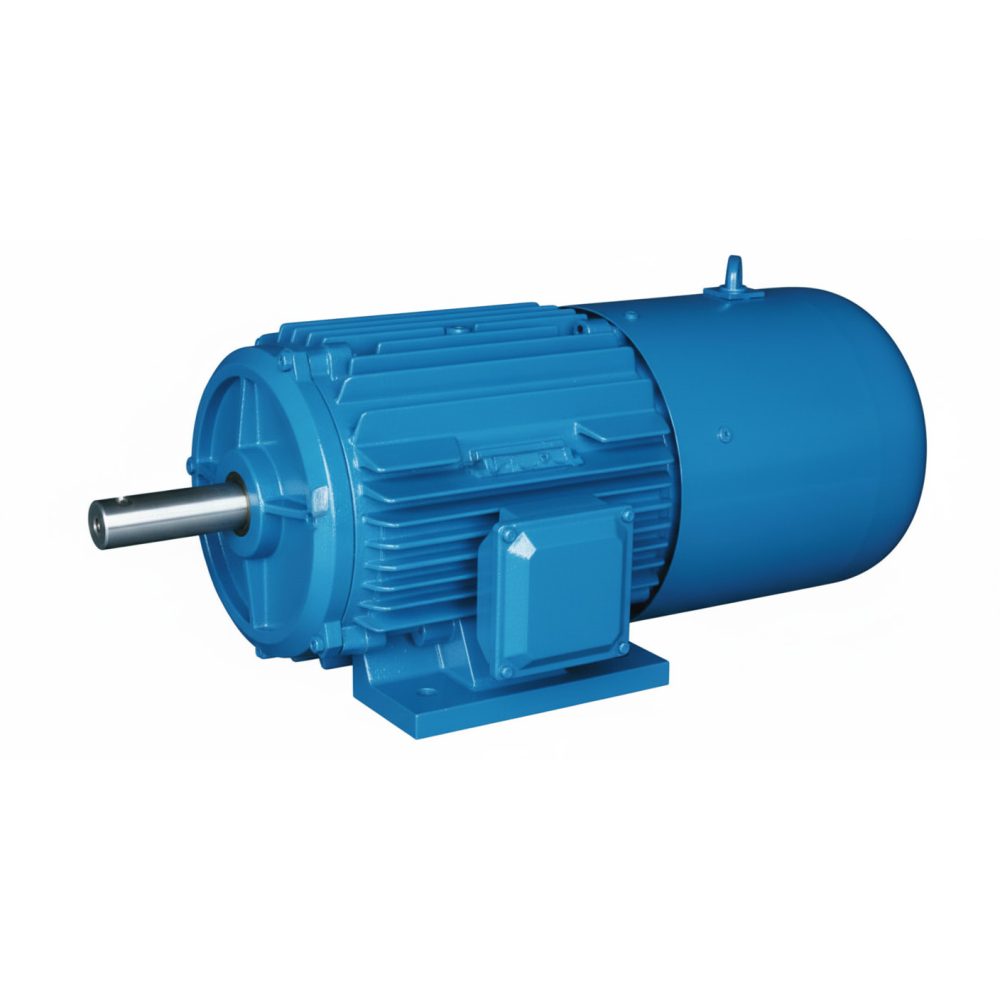
Speed classifications define motor operational characteristics significantly impacting application suitability. Synchronous motors operate at constant speeds determined by supply frequency and pole count, maintaining precise speed regardless of load variations. These motors suit applications requiring exact speed control such as timing systems or synchronous drives. Conversely, asynchronous or induction motors exhibit slight speed variations under changing loads, offering simpler construction and lower costs for most general-purpose applications where precise speed control proves unnecessary.
Motor Enclosure Ratings and Environmental Protection
Enclosure ratings protect internal components from environmental conditions including dust, moisture, chemicals, and physical impacts. Open drip-proof (ODP) enclosures provide ventilation for cooling while preventing dripping liquids from entering. Totally enclosed fan-cooled (TEFC) designs seal internal components preventing contamination ingress while utilizing external fans for heat dissipation. Explosion-proof enclosures contain any internal ignition preventing external atmosphere ignition in hazardous locations. Understanding environmental conditions ensures selecting appropriate protection levels balancing performance requirements against cost considerations.
AC Motor vs DC Motor Technology Comparison
Why AC Motors Dominate Industrial Applications
Alternating current (AC) motors dominate industrial applications due to simplicity, reliability, and cost-effectiveness. These workhorses utilize AC power directly from utility supplies or generators without requiring additional conversion equipment. Three-phase AC motors deliver superior power density and efficiency compared to single-phase alternatives, making them standard for industrial installations. Furthermore, AC motor construction incorporates fewer wearing components than DC equivalents, reducing maintenance requirements and extending service life typically exceeding 20-30 years with proper care.
Induction Motors: The Industrial Workhorse
Induction motors represent the most common AC motor type, featuring robust squirrel-cage rotor construction without brushes, commutators, or slip rings requiring periodic replacement. The absence of wearing contact points contributes to exceptional reliability and minimal maintenance needs. Standard efficiency ratings range from IE1 (standard efficiency) through IE4 (super premium efficiency), with higher efficiency motors consuming 2-8% less energy despite 15-40% higher initial costs. Over typical 20-year service lives, energy savings substantially exceed premium pricing justifying investment in efficient motor technology.
DC Motors: When to Choose Direct Current Technology
Direct current (DC) motors offer superior speed control characteristics and high starting torque making them valuable for specific applications despite higher costs and maintenance requirements. Traditional brushed DC motors utilize mechanical commutators and carbon brushes transferring current to rotating armatures. This design enables simple speed control through voltage variation and excellent low-speed torque characteristics. However, brushes require periodic replacement every 1000-5000 operating hours depending on duty cycle, increasing maintenance costs and downtime compared to AC alternatives.
Brushless DC Motors: Modern Alternative for Precision Applications
Brushless DC (BLDC) motors eliminate maintenance concerns associated with traditional DC designs while retaining excellent control characteristics. Electronic commutation using solid-state switching replaces mechanical brushes, dramatically improving reliability and efficiency. BLDC motors increasingly appear in servo applications, robotics, and precision positioning systems demanding dynamic response and accurate speed control. Despite higher initial costs compared to AC induction motors, BLDC technology delivers compelling value for demanding applications justifying premium pricing through superior performance and reduced maintenance.
Calculating Required Motor Power and Torque
Industrial Motor Selection: Understanding Load Requirements and Power Calculations”
Accurate power requirement calculations prevent costly mistakes from motor undersizing causing overheating and premature failure or oversizing wasting capital and operating efficiency. This process begins by determining actual mechanical load requirements including driven equipment power consumption, mechanical transmission losses, and operational duty cycles. Engineers must consider not only steady-state running loads but also starting requirements, peak loads during operational cycles, and potential future capacity expansions affecting motor specifications.
Torque Calculations for Industrial Applications
Torque calculations prove essential for applications involving direct-drive systems, gearboxes, or mechanical advantage mechanisms. Motor torque measured in Newton-meters (Nm) or pound-feet (lb-ft) determines rotational force available for overcoming load resistance. Starting torque requirements often exceed running torque by factors of 2-5 times, particularly for high-inertia loads such as fans, flywheels, or loaded conveyors. Industrial motor selection must ensure adequate starting torque prevents stalling during acceleration while maintaining reasonable current draw avoiding nuisance breaker trips.
Duty Cycle Considerations and Motor Sizing
Load duty cycles significantly impact motor sizing and specification decisions. Continuous duty applications operating 24/7 require conservative motor ratings with adequate thermal margins preventing overheating during extended operation. Intermittent duty cycles with rest periods enabling cooling permit higher load factors during operating intervals. The ratio of operating time to total cycle time defines duty cycle percentage influencing permissible motor loading. For example, a motor operating 30 minutes per hour (50% duty cycle) may handle higher momentary loads than continuous operation permits.
Service Factor Ratings and Safety Margins
Service factor ratings provide overload capacity margins beyond nameplate ratings accommodating occasional overloads without damage. Standard industrial motors typically carry 1.15 service factors indicating ability to deliver 115% of rated power continuously under normal conditions. However, operating motors continuously at service factor loads reduces efficiency and accelerates aging. Service factors should represent safety margins for unexpected conditions rather than normal operating targets. Properly sized industrial motor selections operate at 70-90% of rated capacity during typical conditions, maximizing efficiency while maintaining adequate reserves.
Energy Efficiency Standards and Cost Analysis
Why Energy Efficiency Matters for Industrial Motors
Energy consumption represents the largest lifecycle cost component in industrial motors, typically exceeding initial purchase price by factors of 10-50 times over 20-year service lives. A 100 kW motor operating 6000 hours annually at $0.10/kWh electricity costs consumes $60,000 in energy yearly, accumulating $1.2 million over 20 years compared to perhaps $5,000-15,000 initial motor cost. This dramatic cost structure emphasizes energy efficiency importance, where seemingly modest 2-3% efficiency improvements deliver substantial financial returns through reduced operating expenses.
IE Efficiency Classes: From IE1 to IE4
International efficiency standards classify motor performance using IE (International Efficiency) codes established by the International Electrotechnical Commission. IE1 represents standard efficiency meeting minimum requirements, IE2 indicates high efficiency, IE3 denotes premium efficiency, and IE4 represents super premium efficiency. Each efficiency class improvement reduces energy losses by approximately 15-20%, translating to measurable cost savings. Many regions now mandate minimum IE3 efficiency for new motor installations, with IE4 requirements emerging in progressive markets.
Payback Period Analysis for Efficiency Upgrades
Payback period analysis compares premium efficient motor costs against energy savings determining financial justification. Consider a 75 kW motor upgrade from IE2 (91% efficiency) to IE4 (94.5% efficiency) costing an additional $800. Operating 5000 hours yearly, the IE4 motor saves approximately 12,500 kWh annually worth $1,250 at $0.10/kWh. The efficiency investment recovers in under 8 months, delivering $24,000+ in savings over 20-year service life. These compelling economics explain increasing adoption of premium efficiency industrial motors despite higher initial pricing.
Total Cost of Ownership (TCO) Evaluation
Total cost of ownership (TCO) analysis provides comprehensive economic evaluation incorporating purchase price, installation costs, energy consumption, maintenance expenses, and expected service life. This holistic approach reveals true economic value beyond simplistic first-cost comparisons. Premium efficiency motors with higher initial costs frequently deliver superior TCO through reduced energy expenses, lower cooling requirements, extended service life, and improved reliability minimizing downtime costs. Sophisticated purchasing organizations increasingly emphasize TCO over purchase price when making industrial motor selection decisions.
Motor Starting Methods and Control Systems
The Challenge of Motor Starting Currents
Starting large industrial motors presents significant challenges due to high inrush currents reaching 6-8 times full load current during direct-on-line starting. These current surges stress electrical distribution systems, cause voltage sags affecting other equipment, and impose mechanical shocks on driven machinery. Various starting methods reduce inrush currents and mechanical stress, with selection depending on motor size, application requirements, and electrical system capacity.
Direct-On-Line (DOL) Starting Method
Direct-on-line (DOL) starting represents the simplest and most economical method, applying full voltage directly to motor terminals. This approach suits small motors below 15-30 kW where inrush currents remain manageable within electrical system capabilities. DOL starting provides maximum starting torque enabling rapid acceleration of connected loads. However, the sudden mechanical shock proves unsuitable for belt drives, gearboxes, or delicate machinery requiring gradual acceleration. Additionally, large motors using DOL starting may violate utility regulations limiting starting current or causing unacceptable voltage disturbances.
Star-Delta Starting for Medium-Sized Motors
Star-delta starting reduces inrush current to approximately 33% of DOL values by initially connecting motor windings in star configuration, then switching to delta for running operation. This economical method suits larger motors from 15-150 kW, though starting torque also reduces to 33% potentially causing starting failures with high-inertia loads. The switching transition creates momentary current surge and mechanical shock as the system transfers from star to delta connection. Despite limitations, star-delta starting remains popular for pump and fan applications where reduced starting torque proves acceptable.
Variable Frequency Drives (VFD): Premium Control Solution
Variable frequency drives (VFD) represent the premium control solution providing smooth acceleration, precise speed control, and substantial energy savings for variable load applications. VFDs convert incoming AC power to DC, then generate variable frequency and voltage AC output controlling motor speed continuously from zero to maximum. This technology eliminates inrush current problems through gradual voltage ramping while enabling soft starts preventing mechanical shock. Additionally, VFDs dramatically reduce energy consumption in variable torque applications such as fans and pumps where flow requirements vary, often recovering equipment costs within 1-3 years through energy savings alone.
Soft Starters: Cost-Effective Alternative
Soft starters provide economical alternative to VFDs when precise speed control proves unnecessary but controlled acceleration remains desirable. These devices gradually increase voltage applied to motors over adjustable time periods, limiting inrush current while providing smooth mechanical starting. Soft starters cost significantly less than VFDs (typically 30-50% of VFD pricing) while eliminating DOL starting problems. However, they offer no running speed control or energy savings benefits beyond starting sequence. Applications requiring only starting control but constant speed operation benefit from soft starter economics avoiding unnecessary VFD investment.
Environmental Considerations and Protection Requirements
Assessing Operating Environment Impact
Operating environment profoundly influences industrial motor selection and longevity. Standard motors designed for clean, climate-controlled environments fail prematurely when exposed to excessive heat, moisture, corrosive atmospheres, or contamination. Accurately assessing environmental conditions enables specifying appropriate protection features ensuring reliable operation throughout expected service life without unnecessary over-specification increasing costs.
Temperature Ratings and Thermal Considerations
Temperature ratings define motor operational capabilities across ambient condition ranges. Standard industrial motors typically rate for 40°C ambient temperatures with Class F insulation tolerating 155°C winding temperatures. Operation in hotter environments such as foundries, furnace areas, or tropical climates without climate control requires motors rated for elevated ambient temperatures or incorporating enhanced cooling provisions. Conversely, cold environments below -15°C may require special lubricants, bearing heaters, or insulated enclosures preventing starting difficulties and ensuring reliable operation.
Moisture and Humidity Protection
Moisture and humidity concerns affect motor reliability in outdoor installations, marine environments, food processing facilities, and high-humidity industrial settings. Standard motors without adequate sealing experience electrical failures when moisture infiltrates windings, terminal boxes, or bearings. Totally enclosed designs prevent moisture ingress protecting internal components. Additionally, space heaters installed in motor terminal boxes during idle periods prevent condensation formation that could cause insulation breakdown. For extreme moisture exposure, marinized motors with special coatings and sealed construction provide enhanced protection justifying premium pricing through extended service life.
Corrosive Atmosphere Protection
Corrosive atmospheres in chemical processing, wastewater treatment, marine applications, or certain manufacturing processes rapidly deteriorate standard motor materials. Carbon steel frames rust, aluminum corrodes, and standard paint finishes fail prematurely without adequate protection. Stainless steel construction, epoxy coatings, and corrosion-resistant materials protect motors in aggressive environments. While adding 40-80% to motor costs, proper corrosion protection proves far more economical than repeatedly replacing prematurely failed standard motors or experiencing production disruptions from unexpected failures.
Explosion-Proof and Hazardous Location Motors
Explosion-proof and hazardous location motors address safety requirements in areas where flammable gases, vapors, or combustible dusts create explosion risks. These specialized motors incorporate heavy-duty enclosures containing any internal ignition sources preventing external atmosphere ignition. Classification systems including Class I (gases/vapors), Class II (combustible dusts), and Class III (fibers/flyings) with various division and group specifications define protection requirements. Explosion-proof motors cost 2-4 times standard equivalents but prove essential for legal compliance and personnel safety in designated hazardous areas.
Application-Specific Motor Selection Strategies
Industrial Motor Selection for Pump Applications and Requirements
Pump applications represent one of the most common industrial motor uses, with selection considerations varying dramatically between centrifugal and positive displacement pump types. Centrifugal pumps exhibit variable torque characteristics with load increasing as square of speed, making them ideal candidates for VFD control delivering substantial energy savings. Motor sizing must account for pump curve characteristics, system head requirements, and potential minimum flow protection needs. Standard TEFC motors with 1.15 service factors suit most clean fluid pumping applications, while corrosive or abrasive fluids may require enhanced sealing and materials.
Fan and Blower Motor Selection
Fan and blower applications similarly demonstrate variable torque characteristics following cubic relationship between speed and power (reducing speed 20% cuts power consumption nearly 50%). This behavior makes fans excellent VFD candidates for systems with varying airflow requirements such as HVAC systems or process ventilation. Industrial motor selection should consider fan inertia affecting starting time, continuous duty operation, and potential reverse rotation concerns in certain installations. Outdoor installations require weatherproof enclosures and appropriate temperature ratings for local climate conditions.
Conveyor System Motors
Conveyor systems demand motors providing adequate starting torque for loaded conditions while maintaining reliable operation through extended duty cycles. Belt conveyor friction and incline conditions significantly impact power requirements, with inclined conveyors potentially requiring 2-3 times the power of horizontal installations for equivalent loads. Starting loaded conveyors necessitates high starting torque motors or soft-start systems preventing belt slippage during acceleration. Additionally, long conveyor systems benefit from distributed drive arrangements reducing single motor size requirements while improving system reliability through redundancy.
Machine Tool and CNC Applications
Machine tool applications including lathes, mills, grinders, and CNC equipment require motors delivering consistent performance across varying cutting loads. Traditional machine tools utilized multiple-speed motors or mechanical transmission systems achieving different spindle speeds. Modern installations increasingly employ VFD-controlled motors providing infinite speed variation within operational ranges. Servo motors address applications demanding rapid acceleration, precise positioning, and dynamic speed changes supporting high-performance machining operations. Selection depends on performance requirements balanced against cost constraints and application complexity.
Compressor Motor Specifications
Compressor applications present unique challenges with starting torque requirements varying dramatically between types. Reciprocating compressors starting against loaded systems demand high starting torque motors or unloading mechanisms reducing starting loads. Rotary screw compressors typically feature inlet valve unloading enabling easier starting with standard motors. Centrifugal compressors require careful motor selection matching performance characteristics to compressor curves across operating ranges. All compressor types benefit from premium efficiency motors given typically continuous duty cycles and substantial energy consumption.
Motor Mounting Configurations and Mechanical Considerations
Foot-Mounted Motor Installations
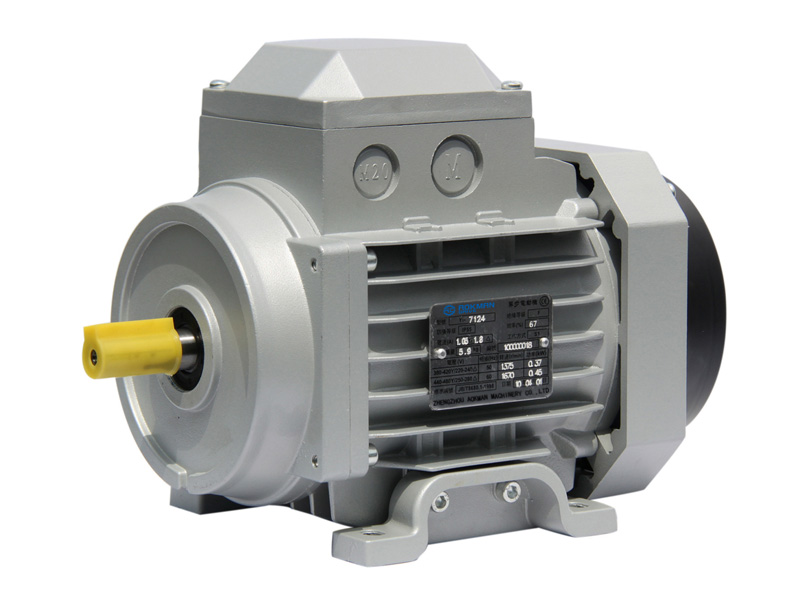
Mounting arrangements significantly influence industrial motor selection decisions and installation success. Foot-mounted motors with rigid mounting feet bolted to bases represent the most common configuration offering stable support for general-purpose applications. These motors suit horizontal shaft orientations with loads applied through couplings, belts, or direct connections. Proper alignment proves critical for foot-mounted installations, with misalignment causing premature bearing failures, excessive vibration, and reduced efficiency. Precision alignment tools ensure shaft centerlines match within specified tolerances preventing these problems.
Flange-Mounted Motor Designs
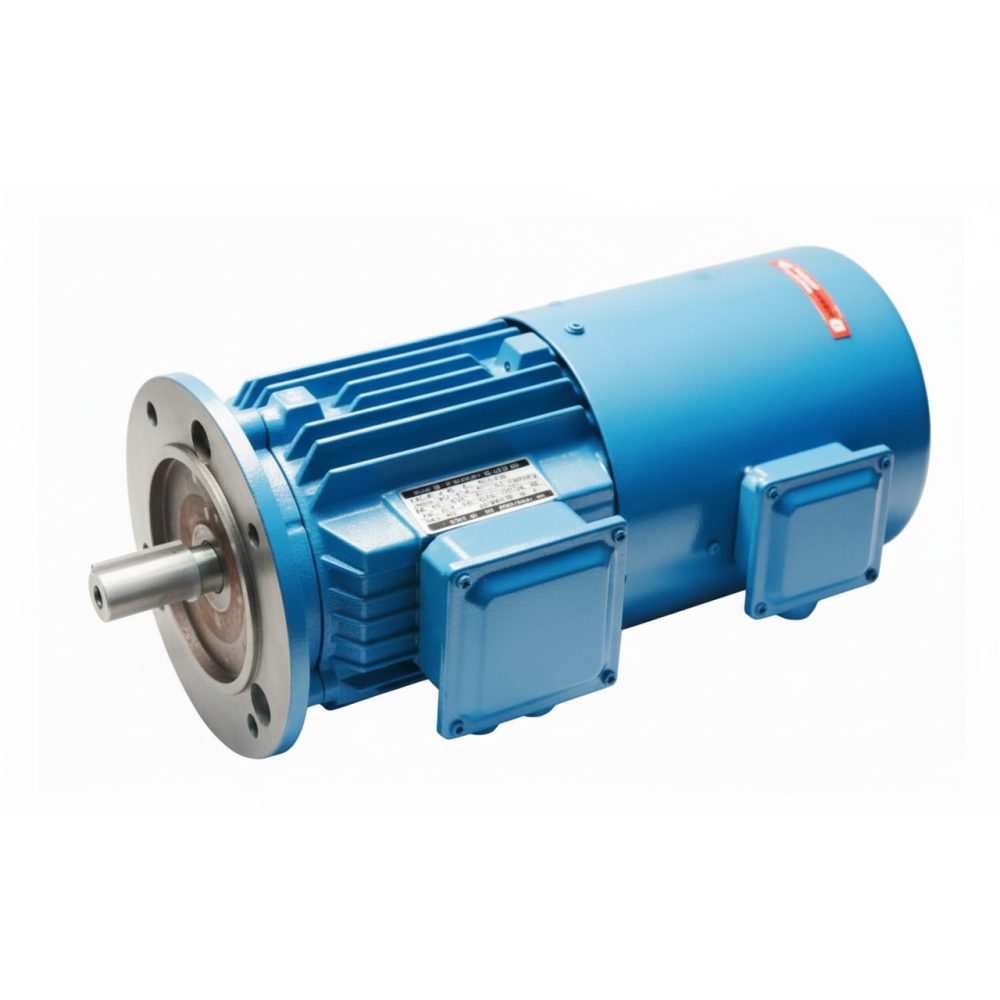
Flange-mounted motors attach directly to driven equipment through standardized mounting flanges eliminating separate motor bases and alignment procedures. These configurations suit pump, fan, and gearbox applications where direct mounting provides compact installations and guaranteed alignment. NEMA C-face and D-flange designs define standard mounting dimensions ensuring compatibility across manufacturers. Flange mounting reduces installation time and eliminates alignment concerns while potentially limiting serviceability requiring complete assembly removal for motor maintenance or replacement.
Vertical Shaft Motor Applications
Vertical shaft motors address applications including vertical turbine pumps, agitators, and certain conveyor drives. These specialized motors incorporate thrust bearings supporting axial loads from driven equipment and motor rotor weight. Proper thrust bearing sizing proves critical, with inadequate capacity causing rapid bearing failure. Vertical motors typically cost 20-40% more than equivalent horizontal designs due to specialized bearings and construction requirements. Installation demands careful attention ensuring proper shaft orientation and secure mounting preventing catastrophic failures from mounting structure failures.
Frame Size Standardization
Frame size standardization according to NEMA or IEC specifications enables interchangeability between manufacturers. NEMA frame designations define mounting dimensions, shaft sizes, and standard features ensuring motors from different manufacturers physically interchange without modification. This standardization simplifies replacement activities and provides sourcing flexibility. However, internal designs vary considerably between manufacturers affecting efficiency, reliability, and performance characteristics. While mounting dimensions remain consistent, specifying quality motors from reputable manufacturers ensures satisfactory long-term performance.
Maintenance Requirements and Reliability Considerations
Bearing Maintenance and Lubrication
Bearing maintenance represents the primary routine service requirement for industrial motors, with bearing life typically determining motor service intervals. Permanently lubricated sealed bearings on smaller motors eliminate maintenance for bearing design life, typically 20,000-40,000 operating hours. Larger motors incorporate regreasable bearings requiring periodic lubrication following manufacturer schedules, typically every 2000-6000 hours depending on motor size, speed, and operating conditions. Using proper lubricant types and quantities proves essential, with over-greasing causing excessive heat and premature bearing failure as commonly as inadequate lubrication.
Vibration Monitoring and Analysis
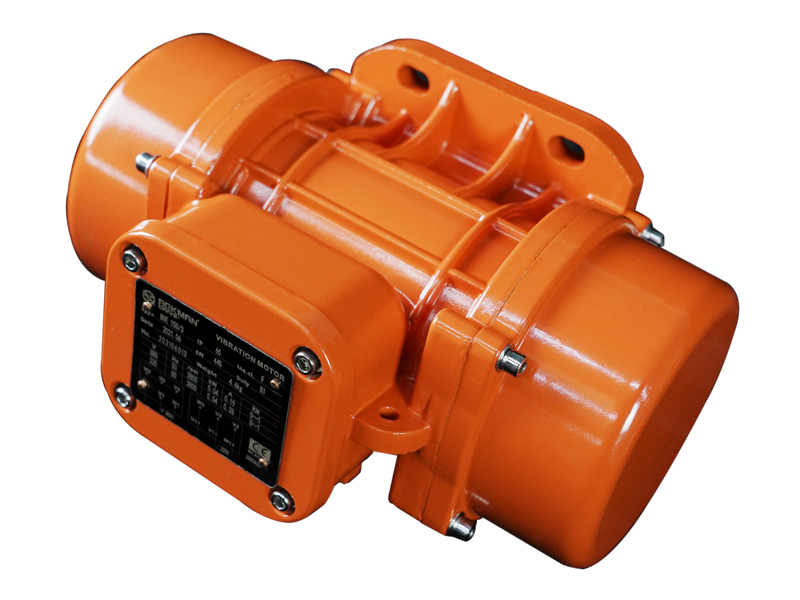
Vibration monitoring provides valuable insight into motor and driven equipment condition enabling predictive maintenance strategies. Baseline vibration measurements established after installation enable comparison against current readings identifying developing problems before failures occur. Increasing vibration amplitudes indicate bearing wear, shaft imbalance, misalignment, or other mechanical problems requiring attention. Portable vibration analyzers or permanently installed monitoring systems support proactive maintenance programs reducing unplanned downtime through early problem detection and planned maintenance scheduling.
Thermal Monitoring and Protection
Thermal monitoring through periodic infrared scanning identifies abnormal heating indicating electrical problems, overloading, cooling system obstructions, or bearing issues. Hot spots on motor frames, terminal boxes, or bearing housings warrant investigation preventing catastrophic failures. Advanced motor protection relays incorporate thermal modeling tracking motor heating based on current draw providing more accurate protection than simple overcurrent devices. These sophisticated systems prevent damage from overload conditions while minimizing nuisance trips improving operational reliability.
Electrical Testing and Diagnostics
Electrical testing including insulation resistance measurements and current analysis assesses motor electrical health. Insulation resistance (megger) testing periodically verifies winding insulation integrity preventing unexpected failures from insulation breakdown. Declining insulation resistance values indicate deteriorating conditions requiring action before failure occurs. Current signature analysis examining motor current waveforms identifies rotor bar cracks, shorted turns, and other internal faults often before symptoms become operationally apparent. These predictive maintenance tools enable planned repairs during scheduled downtime rather than responding to unexpected failures.
CATET Industrial Motor Solutions Overview
Comprehensive Motor Product Range
CATET offers comprehensive industrial motor solutions addressing diverse application requirements across manufacturing, material handling, and process industries. The product portfolio encompasses standard efficiency through premium efficiency motors in power ranges from fractional horsepower through several hundred horsepower serving general industrial, specialized application, and custom requirement applications. As a subsidiary of Dongqi Group with nearly two decades of manufacturing experience, CATET delivers quality motors combining proven designs with modern manufacturing technology.
YVP Series Variable Frequency Motors
The YVP series variable frequency motors specifically address VFD applications incorporating enhanced insulation systems withstanding VFD voltage stresses, improved bearing systems accommodating electrical discharge machining (EDM) currents from VFD operation, and optimized cooling maintaining proper temperatures across wide speed ranges. Standard industrial motors may fail prematurely under VFD control without these protective features. YVP motors deliver reliable performance in VFD-controlled applications ensuring long service life and trouble-free operation supporting modern automation requirements.
Metallurgical Duty Motors for Severe Service
Metallurgical duty motors address severe service applications in steel mills, foundries, and heavy industry environments encountering extreme temperatures, heavy contamination, and demanding duty cycles. These robust motors incorporate reinforced construction, premium materials, and enhanced cooling systems surviving conditions destroying standard industrial motors. While commanding premium pricing, metallurgical motors prove economical for demanding applications through extended service life and reduced downtime preventing costly production interruptions.
Brake Motors for Position Holding
Brake motors integrate electromagnetic brakes providing instant stopping capability for material handling equipment, machine tools, and applications requiring position holding. The integrated brake design simplifies installation eliminating separate brake components and associated mounting and wiring complexity. Brake motors suit hoisting applications, inclined conveyors, and machine tool spindles where rapid stopping or position holding prove essential for safe operation or process requirements.
Procurement Strategies and Vendor Selection
Evaluating Motor Manufacturers
Industrial motor selection requires choosing reputable manufacturers and suppliers, which significantly impacts equipment quality, delivery reliability, and long-term support experience. Established manufacturers with decades of experience generally produce superior motors compared to newer entrants. Companies maintaining comprehensive quality certifications including ISO 9001, ISO 14001, and product certifications such as CE marking demonstrate systematic approaches to quality management and regulatory compliance. While certifications alone don’t guarantee quality, their absence raises concerns about manufacturing rigor and commitment to systematic quality control.
Technical Support Capabilities
Technical support capabilities vary enormously between suppliers affecting long-term ownership experience. Responsive technical support answering application questions, assisting with troubleshooting, and providing selection guidance adds value beyond simply supplying equipment. Local or regional representation enables faster response compared to distant international suppliers requiring days or weeks addressing questions. Evaluating support capabilities during vendor selection prevents frustration when issues inevitably arise during equipment service life.
Delivery Reliability Assessment
Delivery reliability significantly impacts project schedules and equipment availability. Standard motor products from quality manufacturers typically ship within 2-4 weeks, while custom specifications may require 6-10 weeks depending on complexity. Suppliers with poor delivery performance disrupt projects and delay equipment commissioning. Checking references from previous customers provides insight into actual delivery performance beyond vendor promises. Building relationships with reliable suppliers delivering consistently on-time provides competitive advantage through predictable project execution.
Understanding Warranty Terms
Warranty terms reflect manufacturer confidence in product quality and reliability. Standard industrial motors typically carry 12-24 month warranties covering manufacturing defects and premature component failures. Extended warranties available at additional cost provide longer coverage though terms require careful review understanding exclusions. Components subject to normal wear including bearings operating beyond design life generally receive limited or no warranty coverage. Understanding warranty scope prevents unrealistic expectations when component failures occur outside warranty terms.
Future Trends in Industrial Motor Technology
IE5 Ultra-Premium Efficiency Motors
Energy efficiency continues driving motor technology advancement with IE5 ultra-premium efficiency standards emerging representing further 10-20% loss reductions compared to IE4 motors. These advances utilize optimized magnetic designs, premium materials including higher-grade electrical steels, and precision manufacturing techniques. While IE5 motors currently cost 30-50% more than IE3 equivalents, energy savings justify premiums for continuous duty applications with long operating hours. Regulatory trends suggest IE5 may become mandatory in progressive markets within coming years.
Smart Motors with Integrated Intelligence
Integrated intelligence transforms motors from passive mechanical devices into smart components supporting predictive maintenance and performance optimization. Embedded sensors monitor temperature, vibration, operating hours, and performance parameters. Wireless communication transmits data to monitoring systems enabling condition-based maintenance and operational analytics. These intelligent motors cost 20-40% more than conventional equivalents but deliver value through reduced maintenance costs, prevented failures, and optimized performance supporting Industry 4.0 manufacturing initiatives.
Permanent Magnet Motor Technology
Permanent magnet motor technology offers superior efficiency and power density compared to induction motors, particularly in variable speed applications. While permanent magnet materials add cost, eliminating rotor losses improves efficiency by 2-5 percentage points. Synchronous permanent magnet motors increasingly appear in premium applications including elevators, machine tools, and electric vehicles where efficiency and performance justify higher pricing. Industrial adoption accelerates as permanent magnet costs decline and benefits become widely recognized.
Direct Drive Technology Advances
Direct drive technology eliminating mechanical transmissions between motors and loads simplifies equipment while improving efficiency and reliability. High-torque, low-speed motors directly couple to loads traditionally requiring gearboxes or belt drives. While requiring larger, more expensive motors, direct drives eliminate transmission maintenance, improve system efficiency, reduce noise, and enhance reliability. Applications including conveyors, pumps, and machine tools increasingly adopt direct drive approaches where benefits justify premium motor investments.
Frequently Asked Questions
How do I calculate required motor power for industrial motor selection? Determine mechanical load power requirements including driven equipment consumption and transmission losses. Add 15-25% margin for starting and peak loads. Consider duty cycle – continuous operation requires conservative ratings while intermittent duty permits higher loading. Consult with equipment manufacturers or experienced engineers for complex applications. Online motor sizing tools provide initial estimates requiring validation for critical applications.
What’s the difference between IE2, IE3, and IE4 efficiency ratings? International Efficiency (IE) codes classify motor efficiency with higher numbers indicating better performance. IE2 represents high efficiency (typically 87-92% depending on size), IE3 indicates premium efficiency (90-94%), and IE4 denotes super premium efficiency (92-96%). Each class improvement reduces energy losses by approximately 15-20%. Premium efficient motors cost more initially but deliver substantial energy savings over service life justifying investment.
Should I choose AC or DC motors for variable speed applications? Modern AC motors with VFD control provide excellent variable speed performance at lower cost and maintenance than traditional DC motors. VFD-controlled AC systems dominate industrial variable speed applications offering reliability, efficiency, and performance. DC motors remain relevant for specialized applications requiring very high torque at low speeds or where existing DC infrastructure exists. For new installations, AC motors with VFDs represent the standard choice.
How often do industrial motors require maintenance? Small motors with sealed bearings require minimal maintenance beyond cleanliness and ventilation verification until bearing design life (20,000-40,000 hours). Larger regreasable bearing motors need lubrication every 2000-6000 hours depending on size, speed, and conditions. All motors benefit from periodic inspections checking for unusual noise, vibration, heating, or performance changes. Following manufacturer maintenance schedules maximizes reliability and service life.
What motor enclosure type should I specify? Open drip-proof (ODP) enclosures suit clean, indoor environments providing excellent cooling but offering minimal contamination protection. Totally enclosed fan-cooled (TEFC) motors seal internal components preventing contamination while using external fans for cooling – suitable for most industrial environments. Washdown duty enclosures address food processing or applications requiring periodic cleaning. Explosion-proof enclosures serve hazardous locations with flammable atmospheres. Match enclosure to actual environmental conditions.
Are premium efficiency motors worth the extra cost? For continuous or frequent operation applications, premium efficiency motors deliver compelling returns through reduced energy consumption. A typical premium efficiency motor recovers cost premium within 1-3 years through energy savings, then continues delivering value throughout 20+ year service life. Applications operating limited hours may not justify premium pricing. Conduct payback analysis considering actual operating hours and electricity costs determining economic justification for your specific situation.
Conclusion
Successful industrial motor selection requires systematic evaluation of power requirements, application characteristics, environmental conditions, and economic considerations. Understanding fundamental differences between AC and DC technologies, calculating proper power and torque specifications, and evaluating efficiency ratings enables informed decisions balancing performance needs against cost constraints. Proper motor selection delivers reliable operation, optimized energy consumption, and long service life supporting manufacturing productivity and profitability.
Comprehensive analysis addressing starting methods, control systems, environmental protection, and maintenance requirements ensures motors adequately serve intended applications throughout expected service life. Working with reputable manufacturers offering quality products, responsive technical support, and comprehensive warranties provides foundation for successful long-term ownership experiences. While premium motors and advanced control systems represent substantial investments, properly selected equipment delivers decades of reliable service improving operational efficiency and reducing total cost of ownership.
CATET industrial motor solutions address diverse application requirements through comprehensive product offerings incorporating modern efficiency standards, specialized designs for demanding applications, and quality manufacturing backed by international certifications. Whether implementing new equipment installations or replacing aging motors, the systematic selection methodology outlined in this guide supports informed decisions optimizing performance, efficiency, and reliability. Investing time in proper motor selection prevents costly mistakes while ensuring equipment adequately serves operational requirements throughout extended service lives supporting manufacturing excellence and competitive advantage.
Safety Disclaimer: This article provides general guidance only. All industrial motor selection, installation, operation, and maintenance must be performed by qualified professionals following applicable safety standards and regulations. Consult certified engineers, comply with electrical codes, and adhere to manufacturer specifications before proceeding.
Technical Specification Disclaimer: Motor specifications, parameters, and capabilities vary by manufacturer, model, and application. Always refer to manufacturer documentation and consult professional engineers for project-specific requirements. Information presented reflects general industry practices and should be verified for specific circumstances.
Need Expert Industrial Motor Selection Guidance? Contact CATET for technical consultation and professional motor recommendations tailored to your specific application requirements, operating conditions, and performance objectives.